

 Bruno Pugh

Marriage has double standards that nobody talks about openly. Some behaviors get a pass when wives do them, but flip the script, and suddenly they’re relationship-ending offenses. This imbalance doesn’t always come from bad intentions. It’s just patterns people have normalized over time without questioning them. Fair treatment should go both ways, though. Spotting these gaps matters if we’re serious about actual equality. Here are ten examples worth examining.
Dismissing Or Mocking A Spouse’s Career Ambitions

Dreams deserve support, not ridicule. Laughing off a partner’s professional goals or calling them unrealistic chips away at their confidence and self-worth. Whether someone wants to start a business or pursue further education, their ambitions matter. A loving spouse lifts up, even when the path forward seems uncertain or challenging.
Openly Belittling A Spouse In Front Of Family Or Friends
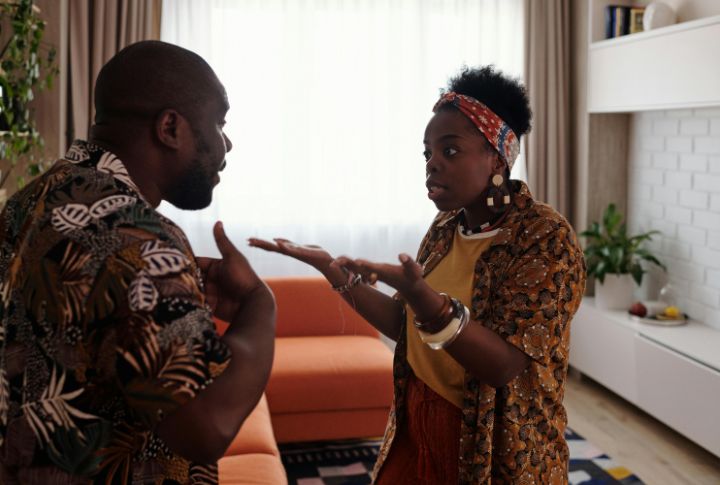
Public humiliation cuts deeper than private criticism ever could. Making jokes about a husband’s shortcomings at dinner parties or family gatherings is emotional abuse dressed up as humor. Everyone deserves to feel respected, especially in front of people whose opinions matter. What happens in public also speaks volumes about what happens behind closed doors.
Unilaterally Controlling Household Finances Without Transparency

When one partner monitors every penny the other spends while keeping their own purchases hidden, it creates an unhealthy power imbalance. Financial control can be just as damaging as other forms of dominance in a relationship. A spouse needing permission to buy coffee while the other makes secret purchases isn’t a partnership—it’s control masked as financial responsibility.
Expecting Constant Emotional Labor Without Reciprocity

Relationships thrive when both people carry the emotional weight together. If one partner is expected to provide endless support, remember every detail, and manage all feelings while receiving nothing in return, resentment builds. Emotional labor isn’t gendered. Men need to vent and to have their feelings validated, too.
Using Children As Leverage In Arguments Or Decisions

Kids shouldn’t be pawns in adult disagreements. Threatening to limit a father’s access to his children or poisoning their relationship to win an argument crosses a serious line. Children need both parents, and weaponizing that bond to gain the upper hand creates lasting damage that extends far beyond the marriage itself into innocent lives.
Publicly Airing Marital Grievances On Social Media

What happens between two people should stay between two people. Posting vague complaints or detailed rants about a spouse online doesn’t solve problems. Social media venting might feel cathartic momentarily, but it permanently damages trust and invites unnecessary judgment from people who only know half the story.
Regularly Prioritizing The Extended Family’s Needs Over The Spouse’s

A marriage should come first, even before parents or siblings. Constantly canceling plans with a spouse to help family, taking their side in disputes, or spending every holiday at a childhood home sends a clear message about who really matters. Building a life together means creating a new family unit, not remaining perpetually tied to another one.
Ignoring A Spouse’s Emotional Breakdowns Or Pleas For Support

Everyone reaches their breaking point sometimes. If a partner is clearly struggling or asking for help, dismissing it as drama or telling them to toughen up is cruel. Men aren’t immune to mental health challenges or emotional pain. Ignoring someone’s genuine distress because of being busy or uncomfortable with vulnerability destroys the foundation of intimacy and trust.
Flirting Openly With Others Under The Guise Of Harmless Fun

Boundaries matter, and “just joking around” doesn’t excuse making a spouse uncomfortable. Touching, complimenting, or engaging with others in ways that blur appropriate lines crosses into disrespectful territory. What one person calls friendly, another experiences as betrayal. The intent matters less than the impact when a partner feels disrespected or concerned about the behavior.
Threatening Divorce Casually During Arguments
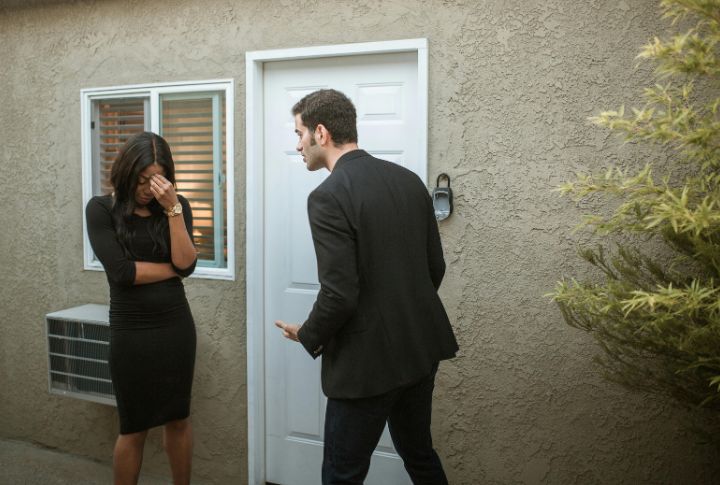
The D-word shouldn’t be thrown around like a bargaining chip. Using divorce as a threat whenever disagreements arise weaponizes a partner’s fear of abandonment to win arguments. Marriage deserves better than emotional blackmail. If someone is genuinely considering separation, that’s a serious conversation. If they’re just trying to gain control during a fight, they’re playing dangerous games with something that should feel secure.