

 Johann Hunt
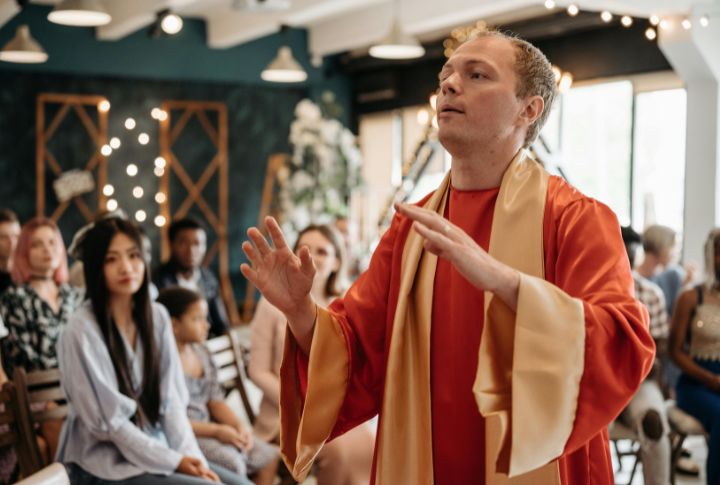
Walk into any megachurch on a Sunday morning, scroll through your social media feed, or flip past a religious broadcast, and you’ll likely encounter it: the bold promise that faith can unlock financial abundance, physical health, and material success. This is prosperity theology, often called the “prosperity gospel,” and despite decades of criticism from theologians, journalists, and even former believers, it’s experiencing explosive growth worldwide.
What’s particularly fascinating isn’t just that millions hold on to these teachings—it’s that even skeptics, people who once dismissed it as spiritual snake oil, are finding themselves drawn to its message. The question isn’t whether prosperity teaching is expanding; it’s why this controversial movement is resonating with an increasingly diverse audience, including those who swore they’d never buy in.
The Psychology Of Hope In Uncertain Times
Prosperity theology thrives on a simple yet powerful formula: your faith directly influences your material circumstances, and God wants you to be wealthy, healthy, and successful. While critics see manipulation, adherents experience something profoundly different—hope with a roadmap. In an era marked by economic anxiety, skyrocketing living costs, and widening inequality, traditional religious messages about patient suffering and heavenly rewards can feel distant and abstract.
Prosperity teaching flips that script entirely, offering tangible goals and immediate expectations. Pastor Joel Osteen’s promises aren’t about the afterlife; they’re about next month’s bills. Apparently, prosperity churches are booming, particularly in economically developing regions and among working-class communities facing financial pressure.
When conventional paths to prosperity, education, stable employment, and homeownership feel increasingly unreachable, the idea that faith itself can be leveraged as a tool for advancement becomes psychologically compelling. Even skeptics who intellectually reject the theology find themselves emotionally attracted to communities that celebrate ambition, normalize talking about money, and frame financial struggle as temporary rather than inevitable.
There’s a reason these churches don’t look like traditional sanctuaries; they’re designed to feel like success seminars where miracles wear business suits.
Social Media Amplification And Celebrity Validation
The digital age has turbocharged prosperity teaching in ways that traditional evangelism never could. Instagram-perfect preachers showcase luxury cars, designer clothes, and exotic vacations as evidence of God’s favor, creating aspirational content that functions identically to influencer marketing.
Algorithms favor emotionally engaging content, and few things engage like before-and-after testimonials of financial transformation. Young people who’d never attend a traditional church service consume these messages through TikTok clips and YouTube sermons, often without realizing they’re engaging with religious content.
What’s converting skeptics, however, isn’t just the packaging—it’s the mainstream validation. When celebrities from Kanye West to Oprah Winfrey engage with prosperity-adjacent ideas about manifestation, abundance mindset, and the “law of attraction,” the theological boundaries blur. Secular self-help culture has absorbed so much prosperity gospel DNA that former skeptics don’t recognize they’re participating in the same essential framework: belief shapes reality, positive thinking attracts positive outcomes, and you deserve abundance.
The language has been sanitized for broader consumption, but the core promise remains identical. This cross-pollination has created millions of people practicing prosperity principles while still considering themselves non-religious, skeptical, or even atheist; they’ve simply rebranded faith as “mindset” and prayer as “manifestation.”