

 Emily Flores

Generational arguments usually follow a predictable script. Younger people push for change, older people resist it, and everyone assumes the other side doesn’t understand. But sometimes the friction runs deeper than a simple misunderstanding. Certain opinions from Gen Z sound outrageous to Boomers at first, yet they’re grounded in realities that keep proving themselves true. Here are ten ideas that spark the most debate.
Work-Life Balance Over Hustle Culture

Drawing hard lines between work and personal time defines how younger people approach their careers. Long hours used to signal dedication, but that mindset is fading fast. “Quiet quitting” became a cultural phrase, and flexible schedules now matter more than traditional office routines. It’s not about being lazy—it’s about refusing to let a job consume an entire life.
Climate Change As An Urgent Priority
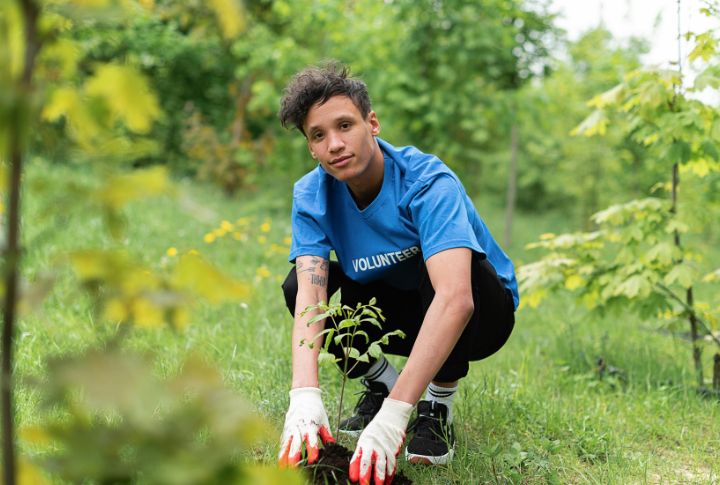
Treating climate change like the emergency it is separates younger voices from older approaches that favor gradual, less disruptive solutions. Eco-friendly brands get support, and awareness spreads through climate memes. The younger generation doesn’t have the luxury of waiting decades for incremental progress when the planet’s future hangs in the balance.
Flexible Career Paths

Job-hopping and varied experiences shape modern work lives. Loyalty to one company for decades used to be the standard, but that model doesn’t guarantee security anymore. Side hustles mix with full-time roles, and freelancing represents freedom rather than instability. Staying in one place no longer protects anyone from sudden layoffs or industry shifts.
Mental Health As Non-Negotiable

Open conversations about therapy and mental health struggles happen constantly now. Privacy around these topics feels outdated when speaking up can help others feel less alone. Meditation apps offer daily support, while TikTok spreads practical coping strategies to millions. Today’s youth understands that pretending everything’s fine doesn’t solve anything—it just postpones the moment when problems demand real attention and care.
Rejecting Traditional Homeownership Goals

The idea that everyone should buy a house is colliding with economic reality. What once symbolized the ultimate achievement now feels out of reach or even unwise for many. “Forever renting” has shifted from embarrassment to acceptance, and tiny homes or shared living spaces present genuine alternatives. The dream adapted because affordability forced it to.
Questioning College As The Only Path

Skills and certifications rival traditional degrees in ways that weren’t possible before. College gets framed as the safest route, yet tuition debt doesn’t guarantee better job prospects. YouTube tutorials teach coding to thousands, and entrepreneurs who bypassed formal education earn widespread admiration. Multiple paths toward career success now hold equal weight and credibility.
Demanding Transparency From Corporations

Expecting companies to be open about their ethics and practices has become standard. Product quality used to be the primary focus, but corporate values now influence purchasing decisions heavily. “Greenwashing” gets called out on social media immediately, and brands aligned with social causes earn customer loyalty. Trust requires proof now, not just marketing promises.
Redefining Success Beyond Wealth

Happiness and fulfillment measure achievement differently than financial stability alone. Travel and meaningful experiences count as real accomplishments, and creative hobbies serve as success markers. Older definitions equated prosperity strictly with money, but that narrow view misses what actually makes life satisfying.
Rejecting Car-Centric Lifestyles
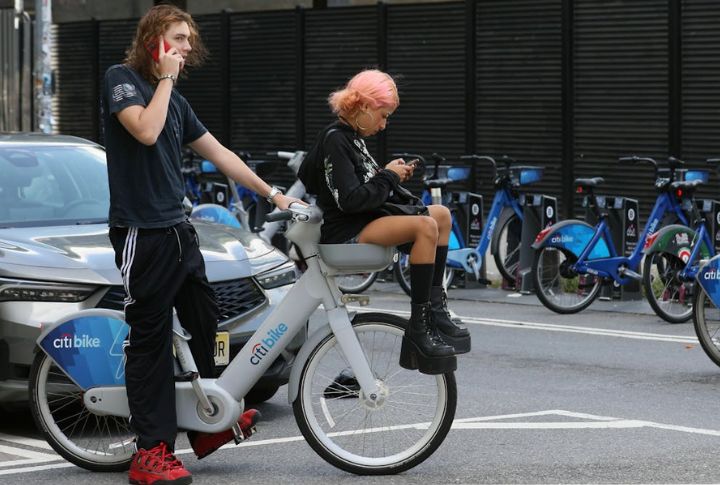
Public transit and walkable cities appeal more than car ownership to many younger people. Previous generations saw vehicles as symbols of independence and freedom. Now, bike-sharing and scooter apps provide convenient alternatives, and car-free neighborhoods represent an aspirational lifestyle. Urban planning built entirely around highways feels outdated and environmentally reckless.
Calling Out Performative Patriotism
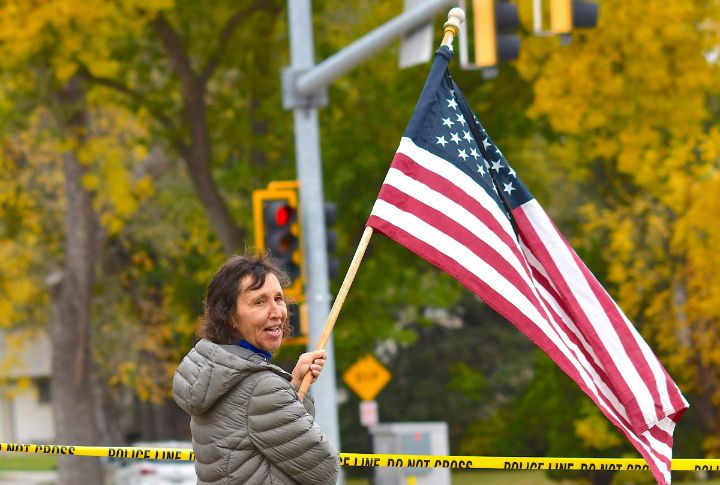
Nationalism that ignores social problems faces louder challenges today. Previous generations treated unquestioned loyalty as the highest form of love for one’s country, but viral memes expose hollow flag-waving politics, and remixed national anthems rise as protest anthems. Real patriotism often means urging a nation to live up to its stated ideals rather than defending every decision without scrutiny.