

 Johann Hunt
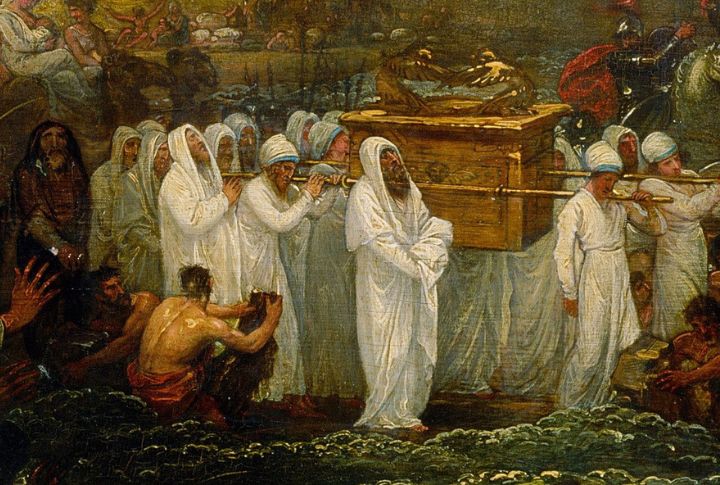
The Ark of the Covenant gathers theories faster than any relic, yet one prophecy shapes nearly every serious discussion about its fate. Known as the Prophecy of the Hidden Ark in the Apocalypse of Baruch, it explains why the Ark vanished and why its return belongs to a future age. These insights break that prophecy down piece by piece.
The Ark Of The Covenant
The Ark of the Covenant appears in Jewish tradition as a gold-covered chest that held stone tablets linked to God’s law. Some narratives describe foreign forces destroying Israel’s capital, Jerusalem, and taking sacred items, while later stories place the Ark in a cave where the prophet Jeremiah protects it from an invading empire from Babylon.
The Apocalypse Of Baruch And Its Origins
If the Apocalypse of Baruch feels unfamiliar, imagine a message shaped during national collapse. The text follows Baruch, known as Jeremiah’s assistant, after a foreign empire destroys Jerusalem. His visions outline harsh eras, hopeful eras, and a promised restoration that forms the backbone of the prophecy.
Prophecy Of The Ark’s Disappearance
2 Baruch states that God orders the Ark placed in a safe, hidden location before Babylon enters Jerusalem. The book also describes a future age shaped by renewal and resurrection. According to this prophecy, the Ark will appear again only in a transformed age.
The Earth Swallows The Ark Until The Last Times
Some traditions imagine the ground opening and pulling the Ark away, yet the Apocalypse never uses this picture. The text explains that God places the Ark in a protected, unseen location. Later interpreters treat this concealment as preparation for a distant, decisive moment in history.
Visions Of Angels And The Preservation Of Holy Objects

Picture ancient writers describing angels moving through a collapsing city. The Apocalypse of Baruch uses this type of scene to explain how holy objects were protected. It never clearly lists the Ark among them, but another part of the text says God had already ordered the Ark hidden for safety.
Israel’s Restoration And The Ark’s Return
People sometimes assume the Ark returns when Israel rises again because many ancient stories link holy objects to national renewal. The Apocalypse of Baruch describes the renewal as a future world restored by God, yet it never places the Ark within this event. The prophecy stands apart from those assumptions.
Debates On The Ark’s Historical Existence
Some question the Ark’s reality because no artifact appears in museums or excavations. The Apocalypse explains the Ark’s absence differently by stating that God removes it from human reach. This explanation shifts attention away from physical evidence and toward the prophecy that shapes the Ark’s future return.
Ethiopian Legends Of Menelik And The Queen Of Sheba
Ethiopian tradition introduces another story entirely. It describes Menelik, the son of King Solomon and the Queen of Sheba, carrying the Ark to Ethiopia. The Apocalypse of Baruch does not include this narrative because it follows a single rule: the Ark appears only after the prophecy reaches completion.
Modern Claims And Scholarly Skepticism
Modern theories place the Ark in caves, temples, and distant regions, but these guesses carry no weight within the prophecy. Scholars point out that ancient texts describe the Ark’s return as part of God’s future plan, not human discovery. Until the prophecy unfolds, every claim remains premature.
The Enduring Mystery Of The Ark’s Location
The Ark’s mystery continues because every recorded account ends before its location becomes clear. The Apocalypse of Baruch adds another layer by placing the Ark inside a future plan shaped by God rather than human discovery. This structure keeps the prophecy at the center of the long-standing fascination.