

 Johann Hunt

Some lifestyle ideas catch on because they feel refreshing. You hear the pitch and think it might actually make life simpler or lighter. Then the movement grows, people push the boundaries, and suddenly the whole thing feels a lot wilder than anyone signed up for. Keep reading, because the twists behind each one make this list too interesting to skip.
Detox Diets And Cleanses
Anyone curious about “flushing toxins” eventually hits the same reality check. Detox cleanses claim to clear the body, yet the liver and kidneys already handle that work naturally. Despite this, celebrities pushed the trend forward by encouraging juice-only days that sometimes leave people bloated or uncomfortable.
Unnecessary Gluten-Free Diets
Wellness culture turned gluten into a quiet villain, and people joined the movement expecting quick improvement. Science offered no benefit for those without intolerance or celiac disease. Meanwhile, certain gluten-free foods added extra sugar or fat. If you didn’t medically need the switch, nutritional gaps sometimes appeared instead.
Raw Milk Consumption
Supporters often frame raw milk as pure and closer to nature, but leading health authorities see a very different picture. The Centers for Disease Control and Prevention (CDC) warns unpasteurized milk can carry germs such as E. coli, Salmonella, Campylobacter, and Listeria — pathogens linked to serious outbreaks.
Essential Oils As Medicine
A scented diffuser can feel soothing, which made the leap to “cure-all” sound appealing. Although essential oils have long histories in aromatherapy, evidence for treating diseases isn’t there. Misuse can even trigger allergic reactions or toxicity. Marketing by multi-level networks and influencers turned simple fragrances into misunderstood medical substitutes.
Celery Juice Cleanse
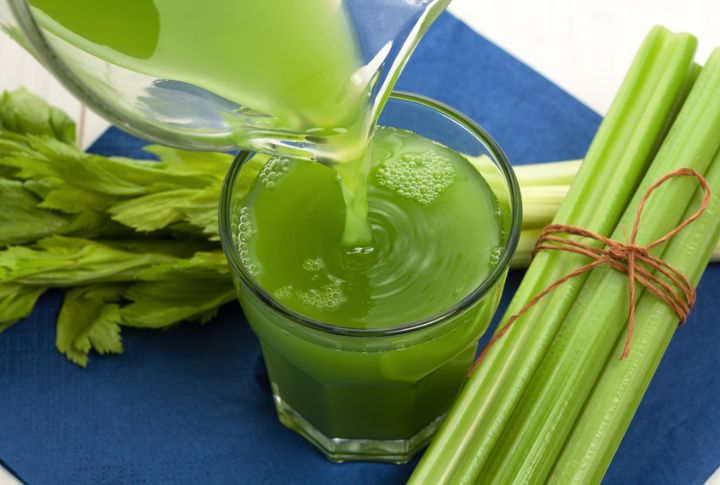
The story starts with a bright green glass and a bold promise from Anthony William that celery juice could fix almost anything. Science never backed those claims, even though celery holds phenolic acids, flavonoids, coumarins, terpenoids, and phthalides. Somehow, a ceremonial plant from ancient Egypt became a 2010s healing craze.
Parasite Cleanses
The pitch usually starts with fear: hidden parasites supposedly affecting everyday health. Most people don’t need these cleanses. Herbal mixes featuring wormwood or black walnut connect back to ancient remedies, yet products can still cause dehydration or stomach upset. The tradition didn’t guarantee modern safety.
Activated Charcoal Supplements
While activated charcoal genuinely helps in poison emergencies, daily supplements don’t deliver the same effect. Regular intake can even block nutrient and medication absorption. Made by superheating carbon-rich materials, charcoal has ancient roots, but those historical uses never justified taking it as a routine wellness booster.
Drinking Borax Water
Every so often, a trend becomes alarming fast. Borax belongs in cleaning products, and consuming it is unsafe and toxic. Still, internet myths claimed it could ease arthritis. Borax is banned as a food additive in the United States. Meanwhile, online challenges kept surfacing despite severe risks.
Collagen Supplements
The rise of collagen shows how a harmless idea can grow chaotic through hype. Collagen is naturally present in the body, and most supplements come from animal sources. As marketing intensified, exaggerated claims and loosely regulated products confused people searching for skin or joint benefits.
Anti-Fluoride Wellness Trends
Communities sometimes questioned fluoride after activists claimed it was harmful, but the CDC notes that community water fluoridation, first introduced in 1945, dramatically reduced nationwide cavities. Research from the NIDCR also shows that removing fluoride from public systems increases tooth decay.