

 Bruno Pugh

Healthy trends pop up nonstop, and everyone jumps in hoping to feel better, look better, or be “cleaner.” The problem is that some of these habits quietly push your body in the opposite direction. They look harmless on the surface, but the side effects tell a different story. Here are the trends you should actually rethink.
Excessive Juice Cleansing

Juice cleanses remove the fiber that supports your helpful gut bacteria, which leads to microbiome damage within three days. Add the risks of unpasteurized juice and the inflammation that comes from over-cleansing, and you’ve got a recipe for digestive chaos and brain fog. Real fruit beats bottled juice every time.
Raw Food Exclusivity

Following a strict raw food diet often results in low vitamin B12 levels, along with deficiencies in iron, calcium, and protein, which weakens immunity. Cooking food not only kills harmful bacteria but also makes certain nutrients easier to absorb—like lycopene in tomatoes. Raw diets also raise the risk of foodborne illness, especially for vulnerable groups.
Overuse Of Detox Teas

Detox teas typically contain laxatives that can dehydrate you and upset your electrolyte balance. Scientific evidence supporting their benefits is weak, and they can cause nutrient loss. Some teas may even interfere with medications, leaving them more harmful than helpful when overused.
High-Dose Vitamin Supplementation

Taking large amounts of vitamins usually damages organs such as the liver and kidneys, especially fat-soluble ones like vitamin A. While water-soluble vitamins are mostly excreted, excess fat-soluble vitamins accumulate dangerously. Most people already get enough nutrients from food, thereby making high-dose supplementation unnecessary and potentially toxic.
Extreme Intermittent Fasting

Extreme fasting leaves you exhausted and nutrient-starved. It messes with your hormones and slows your metabolism. When your blood sugar drops too low, you become irritable and struggle to focus. For people with health conditions, it’s even worse—fainting and serious complications become real risks.
Unregulated Herbal Remedies

Herbal remedies aren’t regulated like medications, so what’s inside can vary wildly. They might interact with your prescriptions, contain unlisted ingredients, or harbor contaminants. Without quality control ensuring safety and consistency, these “natural” products can cause dangerous side effects you never saw coming.
Excessive Kombucha Consumption
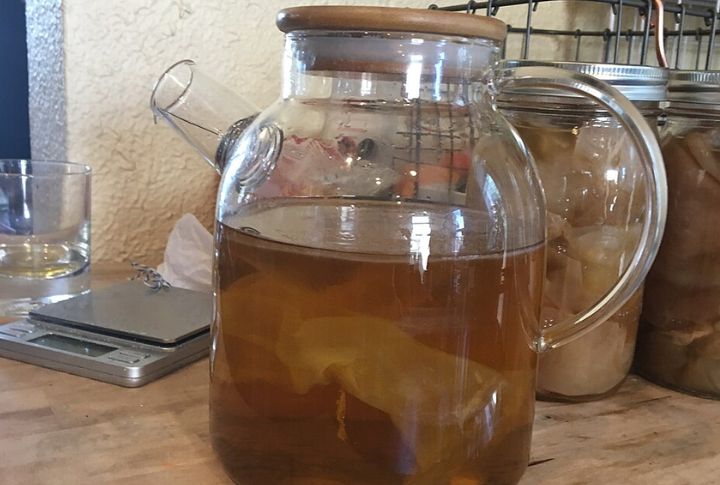
Drinking too much kombucha can upset digestion and, in rare cases, lead to acidosis. Homemade versions may contain harmful bacteria or mold. While kombucha is rich in live bacteria and yeast, overconsumption may result in excess calories or liver problems, particularly in people with pre-existing health conditions.
Prolonged Sauna Or Sweat Therapy

Sweating in a sauna can feel good, but long sessions will dehydrate you and disturb your electrolytes. Contrary to popular belief, sweat doesn’t remove toxins. Short visits help muscles relax; however, excessive heat risks fainting and other problems. Remember, sweat is mostly water and salt—not a magic detox.
Overtraining In High-Intensity Workouts

Too much high-intensity training raises injury risk while suppressing immunity and throwing hormones off balance. You’ll experience constant fatigue and declining health. Without proper rest, your muscles and immune system break down rather than build up, sabotaging your fitness goals.
Oil Pulling As Oral Care Replacement
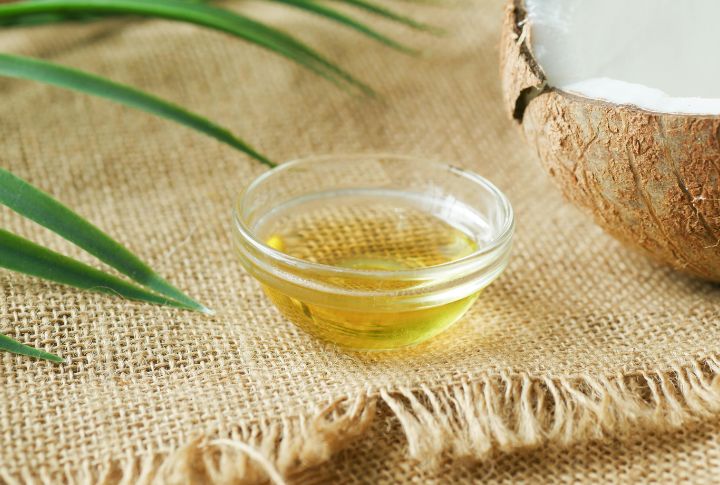
Don’t let oil pulling replace your toothbrush and floss. Skipping proper oral care invites cavities and gum disease, plus there’s scant evidence that it detoxifies anything. Yes, this Ayurvedic tradition—an ancient Indian system of medicine— involves rinsing oil in your mouth for 20 minutes, but relying solely on it instead of proven dental hygiene is risky business.