

 Emily Flores
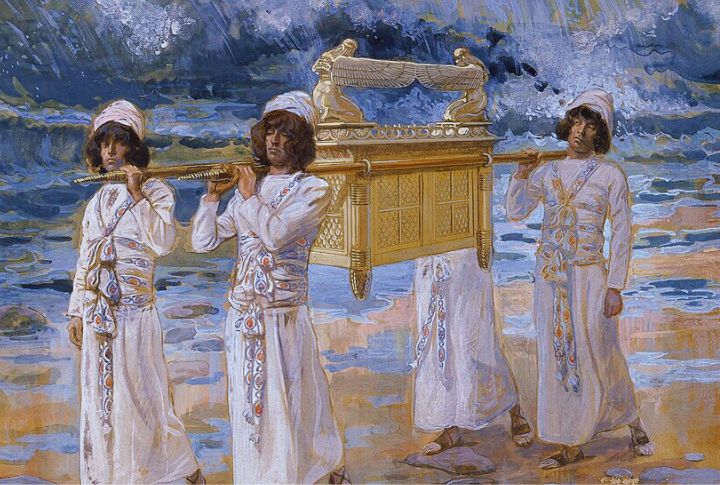
For centuries, people have wondered what really happened to the Ark of the Covenant—the gold-covered chest the ancient Israelites believed carried God’s presence and held their most sacred items. Its disappearance turned it into a legend that has inspired movies and endless debate. Here are 10 insights surrounding history’s most famous missing artifact.
Biblical Origins Of The Ark
Just imagine people finally freed after 430 years of oppression—confused, hopeful, and rebuilding, but the Ark became their anchor. Moses, the leader who guided the Israelites out of Egypt, built it from God’s instructions on Mount Sinai, reminding them in every battle that they had an identity and divine guidance to hold onto.
Construction And Sacred Contents Of The Ark
Skilled Israelite craftsmen—led by Bezalel and Oholiab—treated the Ark’s construction like an act of worship. They measured, carved, and covered the acacia wood with gold until it became something breathtaking. However, the real power wasn’t in the craftsmanship—it was in what the Ark carried: physical reminders of God’s command and provision for His people.
The Ark’s Religious And Cultural Significance
Think of the Ark as both Israel’s constitution and national monument wrapped into one. Wherever it was placed instantly became the community’s center of decision-making. And because only a few people were allowed near it, the Ark carried an authority that made closeness a privilege and distance a sign of deep respect.
Ark In Jerusalem And Its Disappearance
King David, the famous ruler of ancient Israel, brought the Ark to Jerusalem, and his son Solomon later placed it in the Holy of Holies. After centuries, it vanished from historical records, especially after the Babylonian conquest. Its disappearance—whether hidden or destroyed—still fuels debate and keeps the Ark suspended between history and myth.
Speculative Locations Across The World

Legends claim the Ark rests in Axum, Ethiopia, guarded by a lone monk, or buried beneath Jerusalem’s Temple Mount by the prophet Jeremiah. While intriguing, no verifiable evidence confirms these claims. Theories about its location sustain fascination, thereby blending religious tradition and human imagination into a centuries-old search for the lost artifact.
Ancient Textual References Beyond The Bible
Researchers don’t rely on just one source when tracking this ancient artifact. The Dead Sea Scrolls, along with other Near Eastern documents, also mention a sacred chest, offering multiple angles for examination. By comparing these different accounts, experts can better judge whether they’re chasing a real golden box or a powerful religious metaphor.
Archaeological Evidence And Historical Clues
Archaeologists rely on physical evidence, which makes studying the Ark especially tricky. They’ve uncovered ceremonial objects and ancient settlements that match biblical descriptions of the Ark’s travels. But because it was made of gold and acacia wood—materials that cannot survive well over thousands of years—any evidence could have been lost, destroyed, or hidden on purpose.
Scholarly Debates On Existence
Experts remain divided on whether the Ark truly existed. Some imagine it as a tangible relic, while others see it as a symbol of divine authority. Either way, these debates reveal as much about human fascination with sacred stories as they do about any missing historical artifact.
The Ark In Religious Tradition Today
Faith communities know how to keep ancient symbols meaningful. Judaism and the Ethiopian Orthodox Church each honor the Ark in their own special ways, but all treat it with deep respect. The chest appears to carry even greater spiritual significance with each passing century, despite its unknown location.
Influence On Literature And Popular Imagination
Hollywood loves a good treasure hunt, and the Ark delivers every time. From the Indiana Jones 1981 film “Raiders of the Lost Ark” to countless novels, creators portray the chest as a devastating supernatural weapon. These wild stories reveal something true: we’re drawn to mysteries that blend history with the unknown.