

 Emily Flores
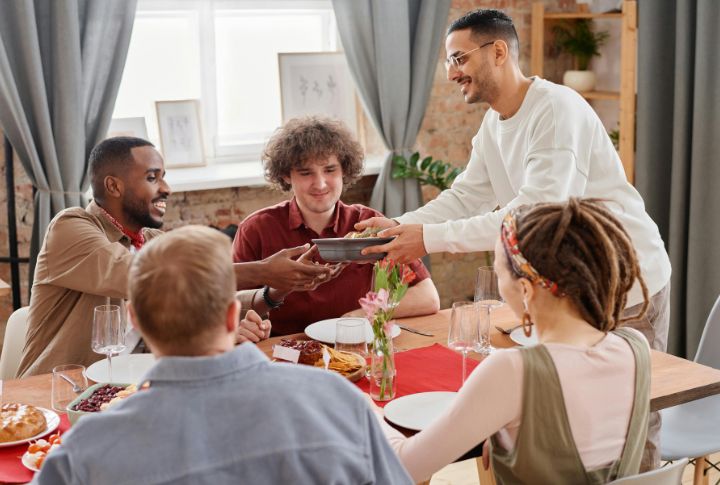
There’s something magical about everyone gathering around the table—until the conversation takes a sharp political turn. It happens fast. But there are ways to steer things back toward warmth and connection quietly. Done right, it feels less like managing people and more like keeping the evening’s rhythm in tune.
Set Ground Rules Before Dinner

Many hosts initially hesitate to set conversational boundaries, fearing they’ll appear controlling. However, establishing clear ground rules about avoiding political topics and hot-button issues before guests arrive creates a more relaxed atmosphere. Communicating these expectations upfront helps turn potential tension into an environment where everyone can truly unwind.
Assign A Neutral Moderator
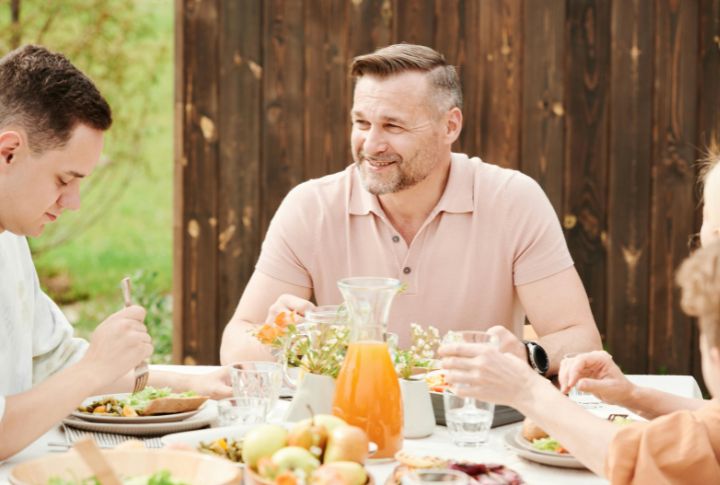
When holiday conversations start heading toward dangerous territory, having a designated peacekeeper can make all the difference. Appointing a trusted, even-tempered guest as a neutral moderator will allow you to maintain harmony by gently steering discussions back on track.
Use Humor To Diffuse Tension
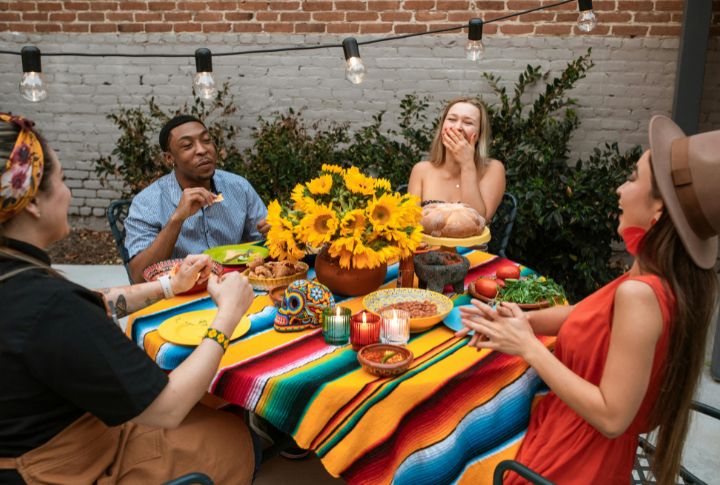
In today’s digital age, a perfectly-timed meme or hilarious GIF can instantly change tense dinner table dynamics. This modern approach to conflict resolution taps into humor’s psychological power to redirect conversations and defuse brewing arguments. Even a light-hearted comment about presidential missteps can help everyone exhale.
Change The Subject Politely
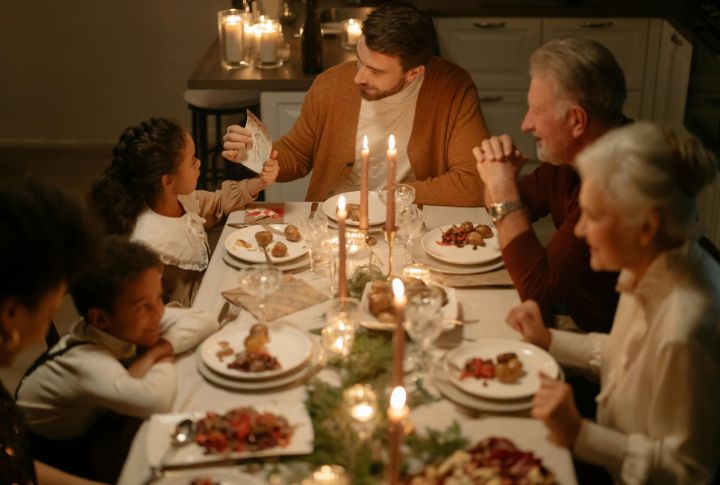
Ever notice how skilled politicians artfully pivot away from tough questions? This time-tested technique can work wonders at tense dinner gatherings, too. When conversations start heading into heated territory, gracefully redirect the discussion toward neutral ground, like the latest sports scores.
Focus On Shared Traditions
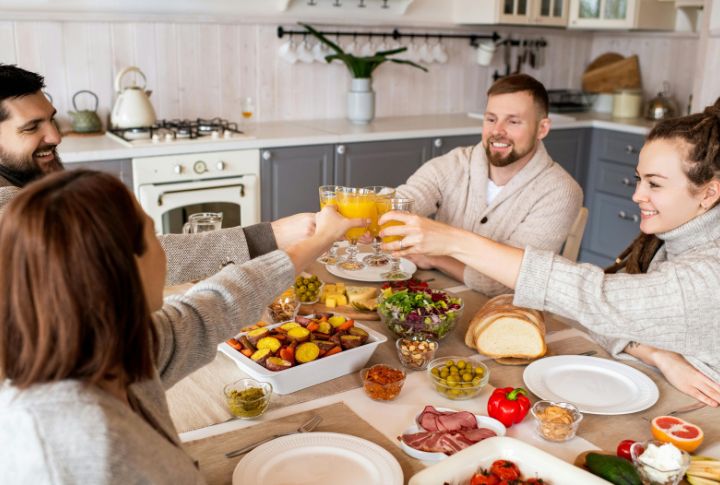
Social scientists have long observed how shared rituals act as powerful mediators in group dynamics, particularly during high-stress gatherings. The neurological comfort of familiar traditions, from carving ceremonies to recipe sharing, creates natural buffers against conflict.
Encourage Listening, Not Arguing
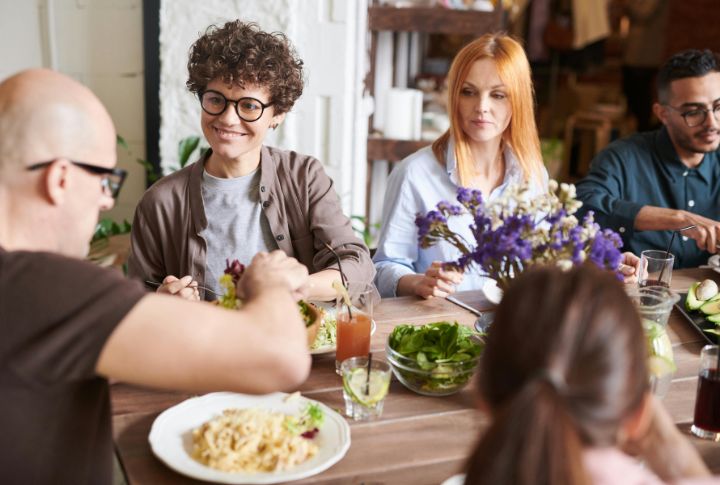
Let’s face it—biting your tongue and actually listening is about as fun as watching paint dry. But mastering the art of active listening with an open mind shows real respect, while asking genuine questions keeps conversations flowing peacefully. The payoff? Avoiding those classic “that’s not what I meant!” moments of miscommunication.
Keep Alcohol Consumption Moderate

One too many glasses of wine can set off a domino effect that no one wants at Thanksgiving dinner. Those lowered inhibitions lead to loose lips, loose lips spark heated debates, and suddenly, your aunt’s political hot takes are causing more drama than her infamous green bean casserole.
Seat Strategically
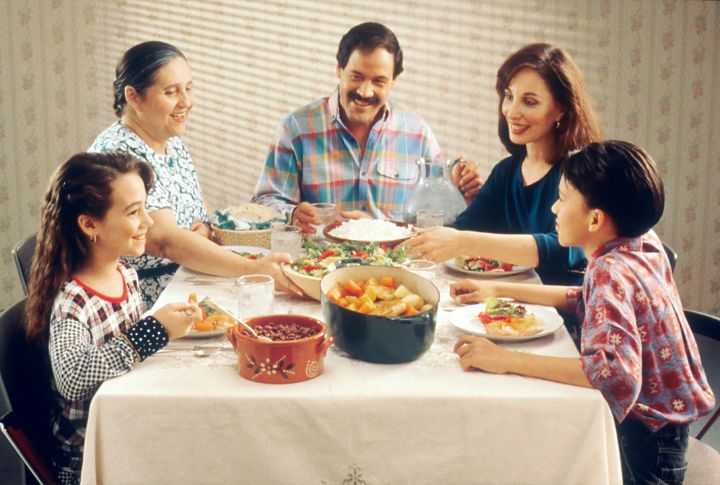
Remember that awkward holiday dinner when some of your guests turned the cranberry sauce into a political battleground? Smart hosts know better now: strategic seating is the secret sauce of peaceful gatherings. Thoughtfully position your guests apart from their verbal sparring partners and sprinkle in some neutral family peacekeepers.
Introduce Fun Group Activities
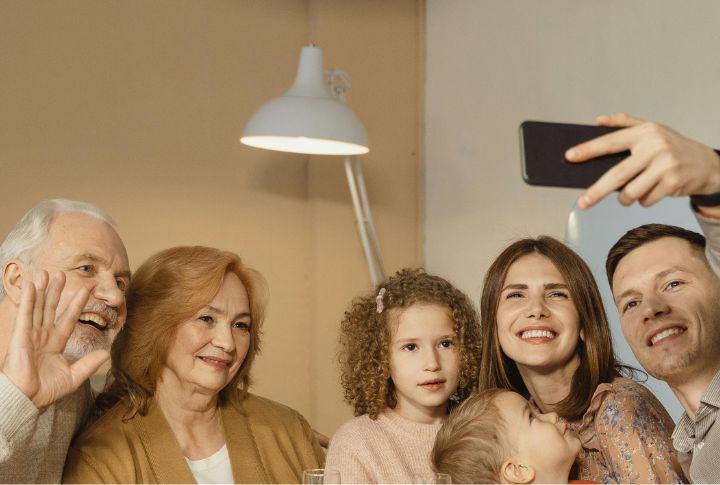
Start with classic table games that spark friendly competition, move into shared storytelling that brings generations together, then cap off the evening with a refreshing group walk. These engaging activities naturally redirect attention from controversial topics while creating lasting positive memories.
Agree On Conversation “Safe Zones”
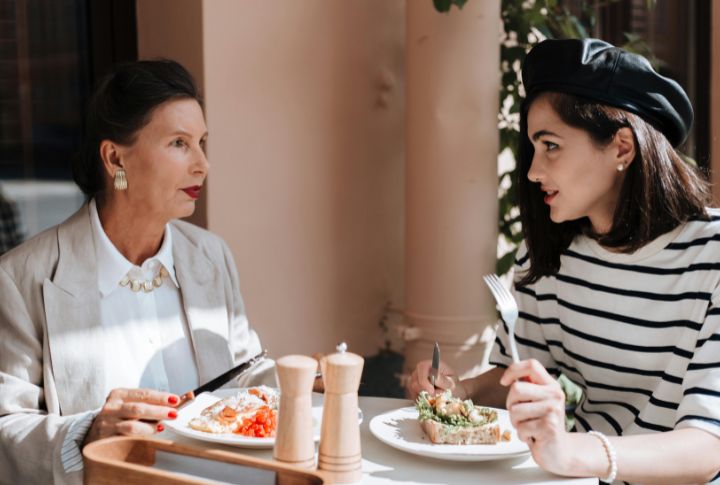
Just as a well-designed home needs both social spaces and quiet corners, meaningful gatherings benefit from designated conversation “safe zones”. These are carefully chosen areas where potentially heated topics take a backseat to universally enjoyable subjects like movies and sports.
Practice Empathy Before Speaking
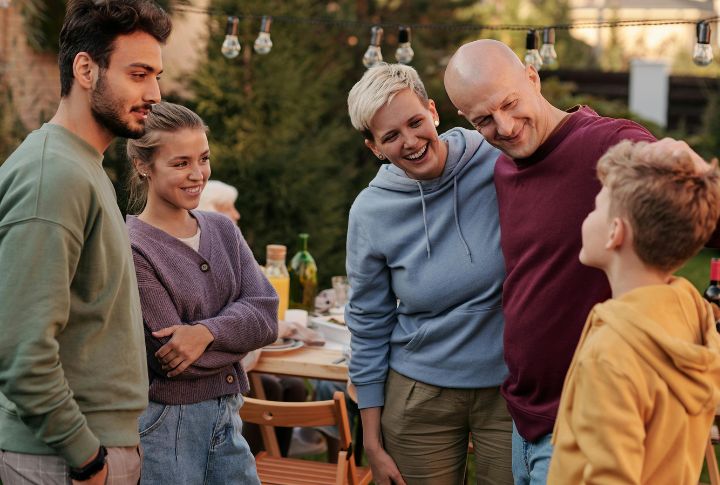
Heated holiday discussions can quickly spiral into emotional standoffs, but psychological research points to a powerful preventive tool: empathy. By simply acknowledging others’ feelings first, family members can build the trust and respect needed for difficult conversations.
Offer Private One-on-One Talks Later
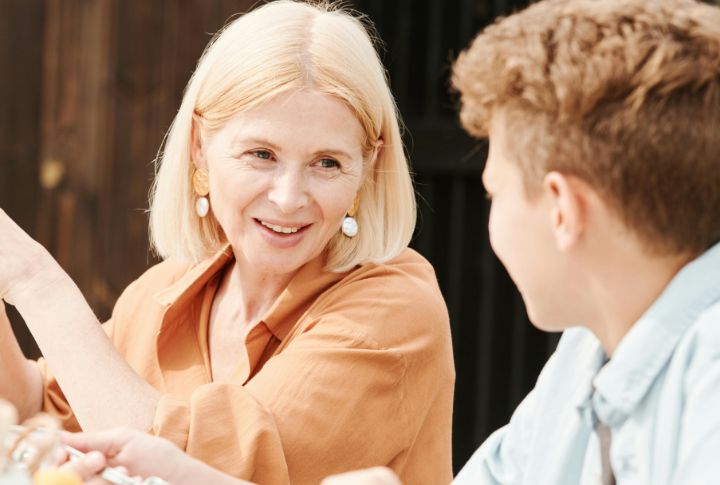
While group discussions of sensitive topics can quickly convert a dinner gathering into a tense and uncomfortable one, suggesting a private conversation afterward changes everything. One-on-one talks provide a calmer, more productive environment. Here, both parties feel less defensive.
Acknowledge Differences Without Judgement

Just as every dish brings its own flavor to the feast, each guest brings unique perspectives to the table. Rather than trying to blend conflicting viewpoints into one palatable consensus, wise hosts serve acceptance, allowing differences to simmer without judgment.
Prepare Exit Lines For Tough Questions

Social psychologists have long recognized that pre-planned response strategies can effectively diffuse interpersonal tension. By mentally preparing diplomatic exit lines, from the straightforward “Let’s talk about this another time” to lighthearted deflections like “Let’s save that debate for after dessert,” individuals can gracefully redirect sensitive conversations.
Emphasize Gratitude Over Politics
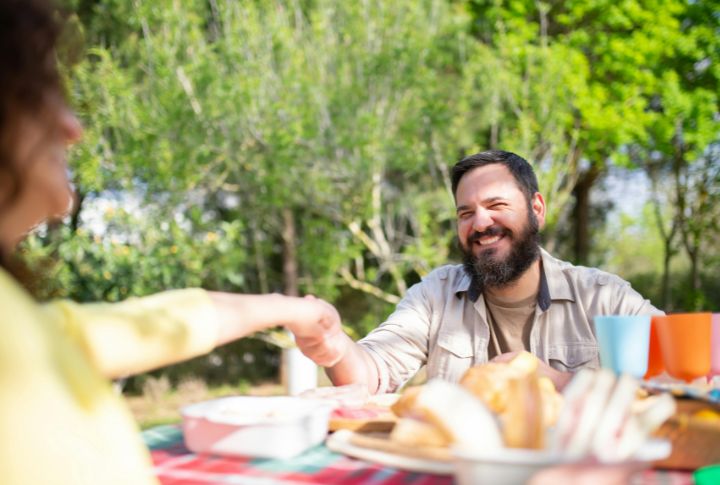
Think of gratitude as a bridge that spans political divides, inviting everyone to meet in the middle through shared appreciation. Sometimes, family members cross that bridge together, sharing what they’re thankful for. This journey makes potentially tense gatherings more harmonious celebrations.
Use Non-Political Icebreakers

When guests first arrive, even the most convivial among them may feel a touch of social anxiety. The thoughtful host can ease this natural tension by introducing non-political icebreakers and steering the conversation toward shared cultural touchstones, such as recent films or entertainment.
Encourage Storytelling About Personal Experiences

It is said that personal storytelling activates empathy centers in the brain, rendering it a powerful tool for bridging social divides. When dinner guests share their own Thanksgiving memories and experiences, the dynamic naturally shifts from potentially contentious topics toward moments of shared understanding.
Bring Up Shared Hobbies Or Interests
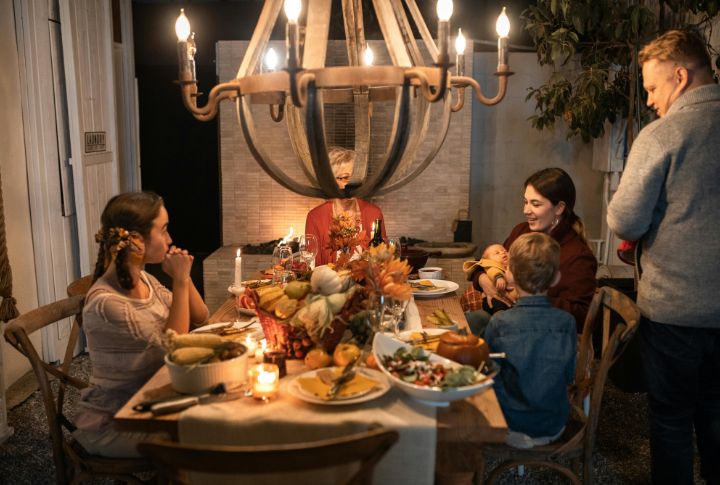
The universal language of shared passions creates natural bridges between people, especially during tense gatherings. Whether bonding over the latest binge-worthy series, debating sports strategies, or swapping secret recipes, these common interests provide psychological safe harbors where everyone can participate authentically.
Establish A “No Politics” Zone

As you scan your holiday gathering, notice how tension can build in certain corners. That’s why carving out a designated politics-free zone works wonders. It creates a peaceful retreat so guests can truly relax and enjoy their meal. The kids’ table, complete with playful decorative signs, often serves as the perfect sanctuary.
Plan Conversation Breaks During Dinner
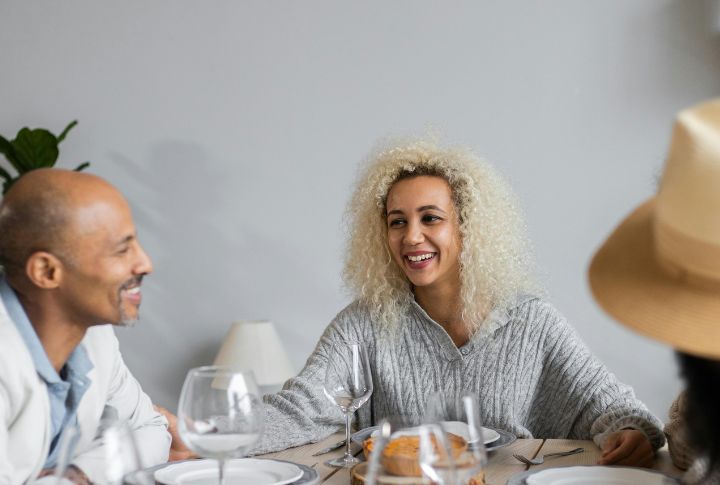
Like a well-composed symphony, meaningful dinner conversation requires thoughtful pacing and deliberate rests. Strategic breaks, whether through a refreshing walk around the block, the natural intermission of dessert and coffee service, or simply allowing quiet moments, prevent social fatigue and tension.