

 Emily Flores

Every new generation arrives with a fresh set of beliefs, shaped by the times they came of age. For Gen Z, that means growing up in a world defined by rapid technological change and shifting social values. It’s no wonder their worldview feels radically different, but what’s interesting is how strongly they commit to what they believe. So, which of these generational ideals is causing the biggest stir?
Work-Life Balance Trumps Job Loyalty

Earlier generations valued job loyalty as the golden rule: you served a company, and they took care of you. When Gen Z openly leaves a role for flexibility or a better schedule, it reads as a lack of grit. They prioritize their personal well-being so highly that established folks view them as soft or disloyal.
Cancel Culture Ensures Accountability
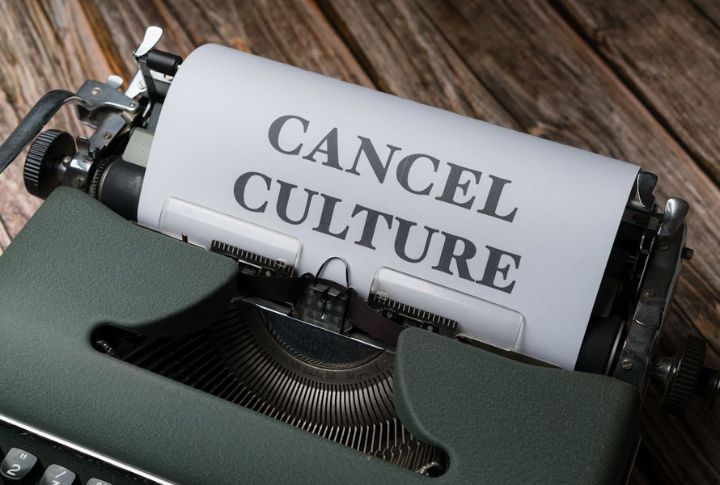
Gen Z’s instant judgments and online outrage are considered unforgiving by others. To older people, “cancel culture” appears to be a disproportionate punishment that bypasses dialogue and second chances. They struggle to accept it as a necessary mechanism for holding powerful people truly accountable.
Mental Health Breaks Are A Right

Older workers learned to simply “power through” burnout, so much so that Gen Z’s casual demand for a mental health day seems like a foreign, dramatic overreach to them. The established generation views it as a luxury, not a basic right on par with taking time off for a physical illness.
Pronouns Must Always Be Respected

The mandatory inclusion of pronouns in emails and on company forms feels like an unnecessary hurdle to older colleagues. They worry about etiquette and view these new expectations as “performative”—a complication that inhibits simple, traditional human interaction.
Capitalism Must Be Dismantled

The focus on dismantling or reforming capitalism makes established generations uneasy. Gen Z sees this as the only option against sky-high living costs, but older people view the talk as naive. They see it as a threat to the “stability” and economic system they struggled to build.
Avocado Toast Is A Deserved Luxury

Older generations were taught to save every penny and delay gratification for major purchases like a house. Seeing Gen Z spend freely on small “luxuries” like $15 avocado toast, which they call self-care, incites irritation. It looks like careless entitlement.
Texting “K” Or Ghosting Is Efficient

The ultra-brief “k” or abrupt end to a text conversation is seen as disrespectful or flat-out rude by older people. Their communication norms valued formality and clear sign-offs. They don’t understand how Gen Z prioritizes the speed of a digital response over maintaining traditional politeness.
Toxic People Deserve Instant Cutoffs

Gen Z’s philosophy of cutting off “toxic” people strikes older folks as emotionally immature. Parents and grandparents were expected to manage and endure difficult relationships because, for them, drawing firm boundaries looks like quitting on a person.
Success By 25 Is Outdated Pressure

Older generations felt the urgent push to hit major milestones—career track, marriage, house—by mid-twenties. Gen Z’s casual rejection of these traditional timelines makes older people worry. It’s viewed as a lack of ambition or direction rather than a healthy prioritization of personal well-being over being performative.
Manifestation Works As Well As Hard Work

Hearing young people talk about “manifesting” their dreams feels like pure fantasy to those who were taught to value only “pure hustle.” The preceding generation finds the idea that intention-setting is equal to hard work spiritually vague and views it as a distraction from rolling up your sleeves.
Boomers Ruined The Planet/Economy

The constant, public blame of Baby Boomers through memes and the “OK Boomer” catchphrase frustrates elders. They feel they are being unfairly scapegoated for decades of policy and economic trends. It feels like disrespect rather than constructive critique.
Oversharing Online Is Authentic

Older generations interpret vulnerable social media posts about personal struggles as inappropriate or attention-seeking. They believe some things should remain private. Gen Z’s intent—to normalize these struggles and build connection—is missed, and it’s seen as a form of exhibitionism.
Religion Is A Scam; Spirituality Rules

The rejection of “organized” religion and the acceptance of “self-guided spirituality” is seen as a worrying sign of cultural decline. Older generations see churches and established institutions as cornerstones of society. Gen Z’s non-traditional, individualized approach feels shallow and disrespectful to those deeply held customs.
College Degrees Are Overrated Scams

After generations of believing a college degree was the absolute minimum requirement for success, Gen Z’s skepticism is jarring. Older people struggle to understand why this generation views higher education as an “overpriced scam,” instead of flocking to non-traditional, short-term skills programs.
TikTok Opinions Equal Expertise

Previously, people were taught to trust established sources: doctors, professors, accredited journalists. As Gen Z takes life, career, or wellness counsel from credentialed or uncredentialed people on TikTok, it’s a huge cause for concern. They view it as confusing viral content with genuine expertise.
Diversity Quotas Ensure Justice

For a long time, it was believed that people should be hired based purely on merit, not as part of a push for diversity. Gen Z views on clear “quotas” and metrics for representation can be viewed as forced or unfair for those who think it compromises traditional standards.
Quiet Quitting Fights Burnout

Older people interpret the concept of “quiet quitting”—doing the bare minimum to keep a job—as sheer laziness and a lack of pride. The idea that someone would choose balance over hustle feels, to them, like a rejection of everything they were taught about a strong work ethic.
Romanticizing Sadness Heals Trauma

The aesthetic trend of “sad girl” culture and romanticizing emotional pain is confusing to generations who valued a stoic, private approach to trauma. Older people see it as wallowing or glamorizing depression. They fail to understand that Gen Z uses this visual language for collective, authentic self-expression.
Science Needs Constant Skepticism

When Gen Z challenges traditional scientific sources, older people instantly jump to “anti-science” conclusions. They misinterpret the need to demand “receipts” and scrutinize every claim. Skepticism is a normal way of processing information, but to them, it feels like a dangerous undermining of trust.
$100k Feels Like Poverty

The running joke on social media that a six-figure salary barely counts as a living wage seems absurd to people who remember if $100,000 was a clear symbol of success. Older generations dismiss it as spoiled gallows humor. They fail to fully recognize the economic anxiety fueling the hyperbole.