

 Lisa O

Food advice is everywhere — from parents, friends, social media, and decades-old health campaigns. The problem is, not all of it holds up. Some “rules” were based on outdated science, while others were never true in the first place. Yet these myths hang on, shaping how people eat and worry about food. Here are 15 common food myths that sound believable but don’t stand up to reality.
Carbs Make You Fat
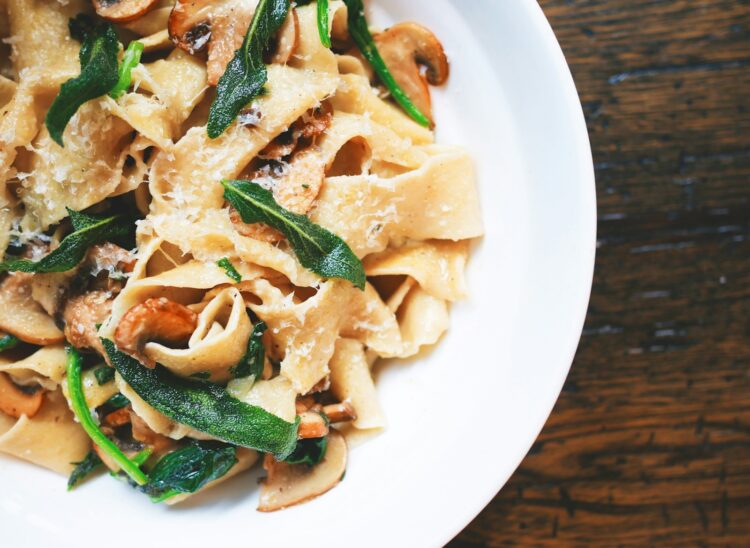
Carbs often get blamed as the villain in weight gain, but they’re not inherently bad. Your body actually relies on carbohydrates for energy. The real issue is the type of carbs. Whole grains, beans, fruits, and vegetables are full of fiber and nutrients that support health. What causes problems is overloading on refined carbs like white bread, pastries, and soda. Cutting all carbs can backfire, leaving you tired and craving sugar. It’s balance, not elimination, that matters.
Eating Late at Night Automatically Causes Weight Gain

Your body doesn’t store food differently at 10 p.m. than it does at 10 a.m. What matters is total calories and nutrition. The myth survives because late-night eating often involves snacking on chips, sweets, or oversized portions, which do add up. For some people, eating before bed also affects sleep quality. But if your meals are balanced and portions reasonable, timing isn’t the real culprit — habits are.
Eggs Are Bad for Your Heart
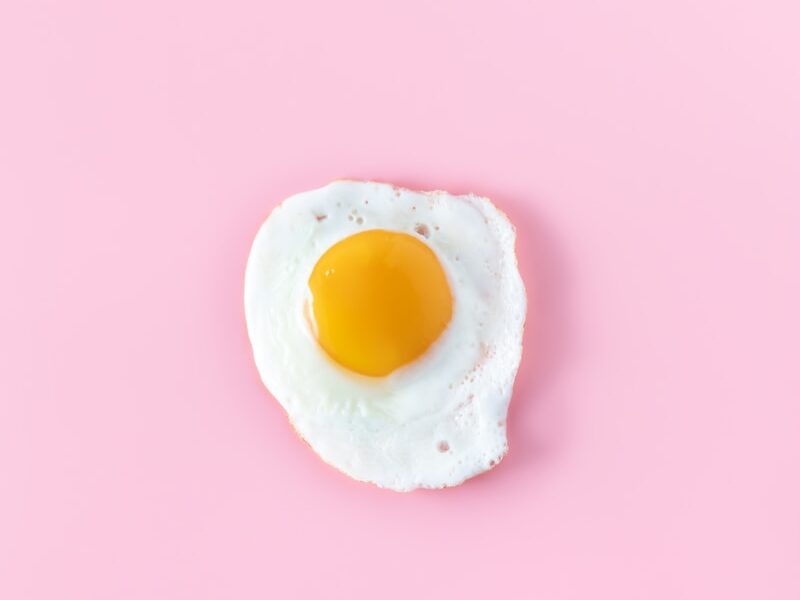
Eggs were long considered dangerous because of their cholesterol content. Today’s research shows dietary cholesterol has much less impact on blood cholesterol than once thought. Eggs are nutrient-dense, offering protein, vitamins, and healthy fats. For most people, moderate egg intake supports health rather than harms it. The danger comes when eggs are part of diets already heavy in processed meats and fried foods — not the eggs themselves.
Microwaves Destroy Nutrients
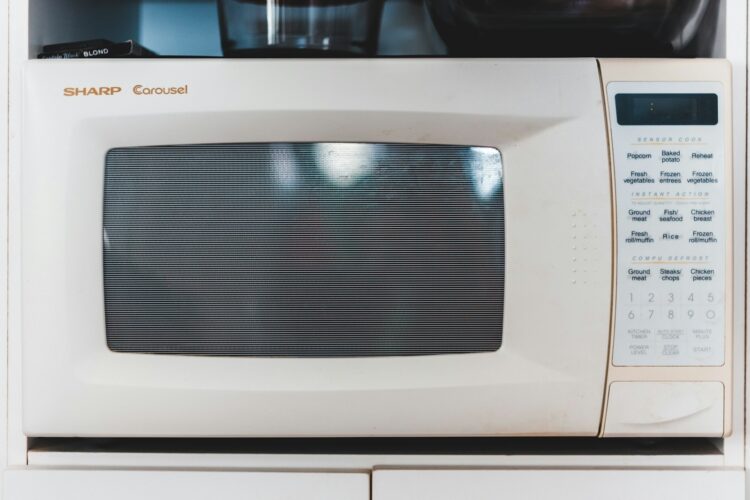
The idea that microwaves “zap” food into being less healthy isn’t true. In fact, microwaving often preserves more nutrients than boiling, since the cooking time is shorter and less water is used. Steaming and microwaving are among the gentlest ways to cook vegetables. The real nutrient loss happens with long cooking methods or overcooking food. The microwave may not be glamorous, but it’s one of the best tools for keeping food nutritious.
Frozen Vegetables Are Less Healthy Than Fresh
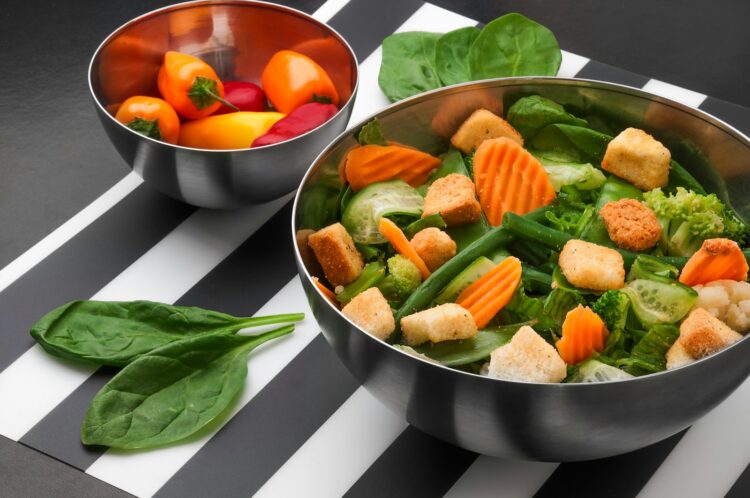
Many people assume frozen means lower quality, but frozen vegetables are usually picked at peak ripeness and flash-frozen within hours. This process locks in nutrients that can actually degrade in “fresh” produce shipped long distances and left on store shelves. Frozen veggies are often just as healthy, sometimes healthier, and they’re practical: less waste, longer shelf life, and usually cheaper. Convenience doesn’t mean compromise here.
Detox Diets Cleanse Your Body

Juices, teas, and detox programs sound appealing, but your body already has built-in detox systems: your liver, kidneys, and digestive tract. These do the real cleansing every day. Detox products may make you feel lighter, but that’s usually water loss or calorie restriction. They don’t flush out mysterious toxins. The best way to support your body’s detox system? Eat fiber-rich foods, drink water, and avoid overloading on processed junk.
Gluten-Free Is Healthier for Everyone

Gluten-free eating is essential for people with celiac disease or gluten sensitivity, but for everyone else, it’s not automatically healthier. Many gluten-free products are heavily processed and can be higher in sugar, starch, or fat to mimic texture. Whole-grain foods that contain gluten — like whole wheat bread, oats (certified gluten-free for those who need it), and barley — provide important fiber and nutrients. Going gluten-free without reason often makes diets less balanced, not more.
You Need to Drink Eight Glasses of Water a Day

The “eight glasses” rule is oversimplified. Hydration needs vary depending on your size, activity, and climate. Water also comes from food, like fruits, vegetables, soups, and even coffee or tea. For most people, thirst is a reliable indicator. Drinking extra water beyond your needs won’t cleanse toxins faster or give magical benefits. It just means more bathroom trips. Hydrate wisely, but don’t obsess over a single number.
Brown Sugar Is Healthier Than White Sugar

Brown sugar looks more natural, but nutritionally, it’s nearly the same as white sugar. The slight molasses content gives it color and flavor, but not enough minerals to make a real health difference. Your body processes both sugars identically. The myth persists because brown sugar feels less industrial, but at the end of the day, sugar is sugar. Moderation matters far more than the shade of crystals.
Skipping Breakfast Is Always Bad

“Breakfast is the most important meal” is more of a marketing slogan than science. For some, eating early helps with energy and focus. For others, skipping breakfast — as in intermittent fasting — works fine. What matters is total nutrition across the day. Skipping breakfast doesn’t ruin metabolism or guarantee weight gain. The real risk comes from breaking the fast with high-sugar snacks instead of balanced meals later.
Fat-Free Foods Are Better for You
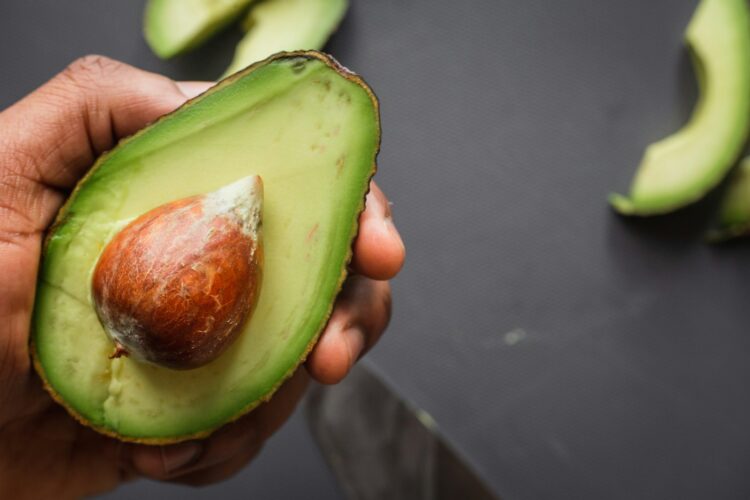
Fat-free products were trendy in the 90s, but removing fat often meant adding sugar, starch, or additives to make food palatable. The result? Foods that were less satisfying and sometimes worse for health. Healthy fats are essential for brain function, hormones, and energy. Avoiding them completely can harm you more than help. Fat isn’t the enemy; balance is.
Organic Means More Nutritious
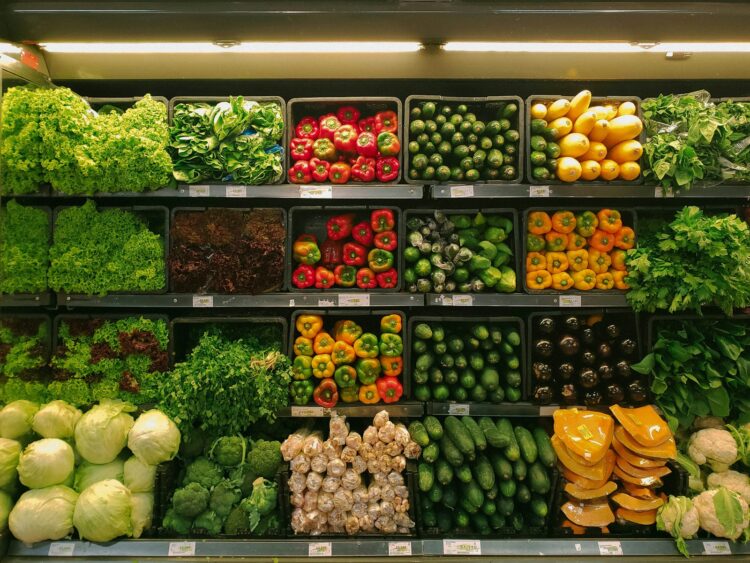
Organic farming avoids synthetic pesticides and fertilizers, which can be better for the environment. But nutritionally, organic foods are nearly identical to conventional ones. Vitamin and mineral content depends more on soil, ripeness, and handling than on farming method. Choosing organic can be meaningful for ethical or environmental reasons, but it doesn’t guarantee extra nutrition. The word “organic” is about farming practice, not nutrient superiority.
You Shouldn’t Snack Between Meals

Snacking itself isn’t bad. What matters is what you snack on and why. Nuts, yogurt, fruit, or vegetables can stabilize blood sugar and prevent overeating later. The myth that all snacks cause weight gain comes from equating “snacks” with chips, cookies, and soda. Listening to hunger cues and choosing smart options makes snacking part of a healthy diet. Done right, it supports energy — not ruins it.
Spicy Food Causes Ulcers

For years, spicy food was blamed for ulcers. In reality, most ulcers are caused by H. pylori bacteria or medications like NSAIDs. Spices can irritate symptoms if you already have a sensitive stomach, but they don’t cause ulcers in healthy individuals. In fact, some spices have anti-inflammatory properties. Blaming spicy food is an old story, but modern science tells a different tale.
Eating Healthy Is Always Expensive
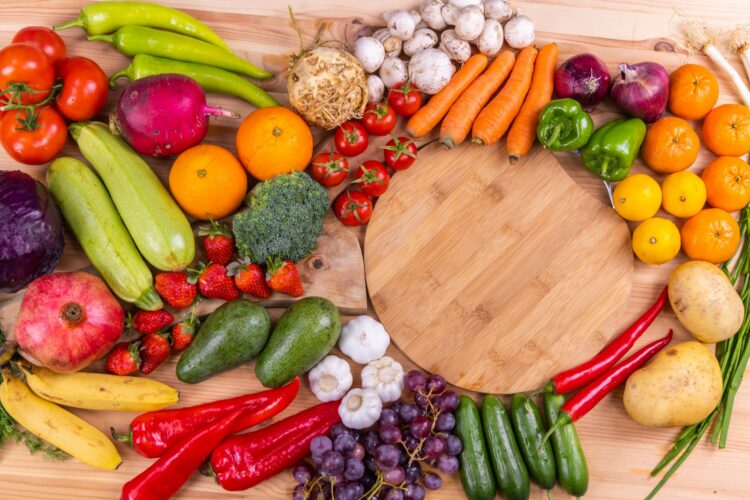
The myth that healthy eating is only for the wealthy discourages people. Yes, exotic “superfoods” and prepackaged health snacks can be pricey. But simple staples like beans, lentils, oats, eggs, seasonal produce, and frozen vegetables are affordable and nutrient-dense. The trick is planning meals and avoiding over-reliance on processed convenience foods. Eating well doesn’t mean breaking the bank — it means making thoughtful choices.