

 Devin Jacobs
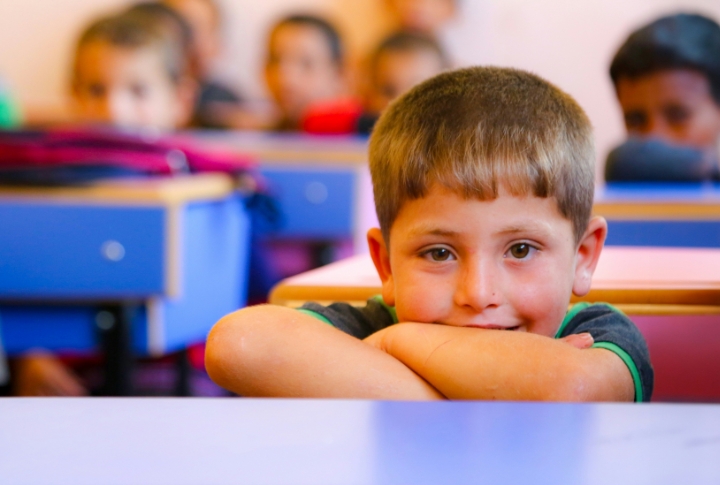
Some children silently show clues about their home environment, and sharp-eyed teachers catch them almost immediately. Small actions, routines, or habits can speak volumes about parenting styles and challenges. Educators rely on such hints to provide the support students need. Here’s a list of ten parenting red flags teachers notice in a flash.
Chronic Tardiness
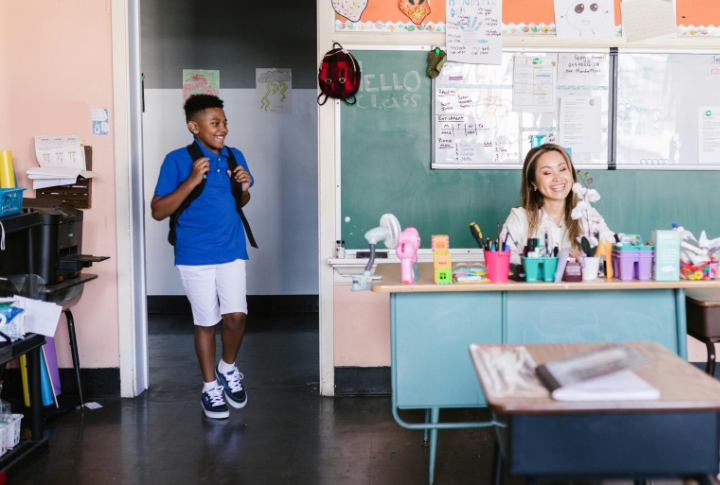
Veteran teachers aren’t surprised by late arrivals anymore. Sure, kids get good at sneaking in quietly and making excuses, but chronic tardiness tells a bigger story. When children consistently show up late, it usually points to missing morning routines and underlying family stress or household chaos.
Inappropriate Clothing
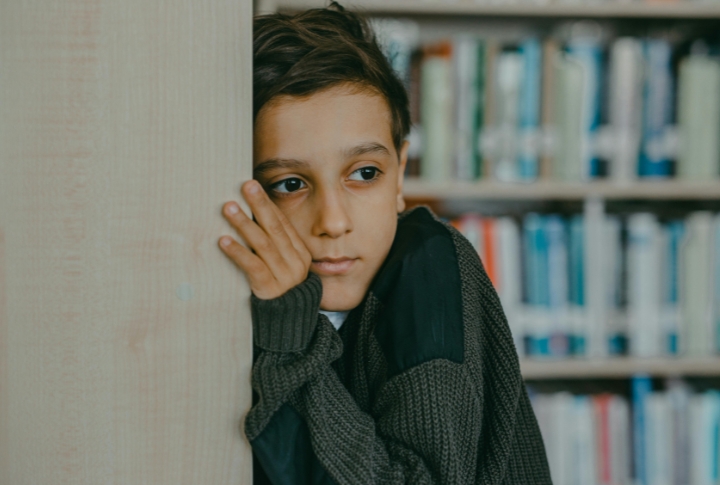
Clothing choices can also be surprisingly revealing to teachers. Oversized, dirty, or seasonally wrong clothes may indicate difficulties in a child’s life outside school. Experienced educators watch for these signs, which can help them identify students who might need extra attention or guidance to thrive academically and emotionally.
Lack Of Basic Manners
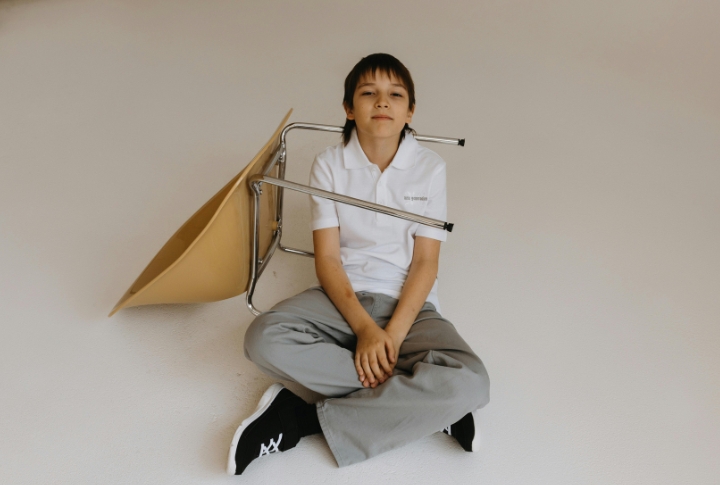
Basic manners serve as a window into a child’s home life. Teachers quickly spot students who regularly skip saying “please” and “thank you,” as such essential courtesies are typically learned from parents. Some children even attempt to copy polite classmates, though their efforts usually feel mechanical and unpracticed.
Unhealthy Lunches Or No Food
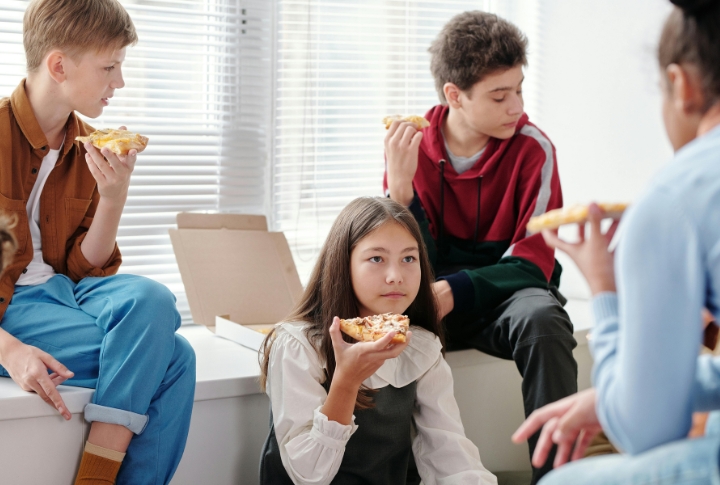
Teachers quickly notice when students bring consistently unhealthy lunches or no food at all. This typically hints at deeper issues at home, related to financial struggles and neglect. Some children become skilled at trading snacks with classmates to piece together a proper meal, while others create elaborate stories about forgotten lunches.
Unexplained Absences
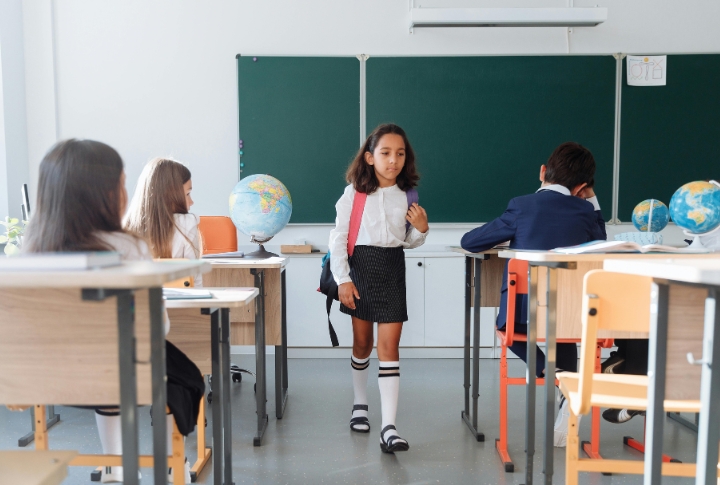
You know what gets teachers’ attention fast? Kids who just vanish from school for days without any real explanation. Yes, everyone gets sick sometimes, but chronic unexplained absences are a huge parenting red flag. It usually means guardians either don’t prioritize education or can’t handle basic responsibilities like getting kids to school.
No Homework Or Supplies
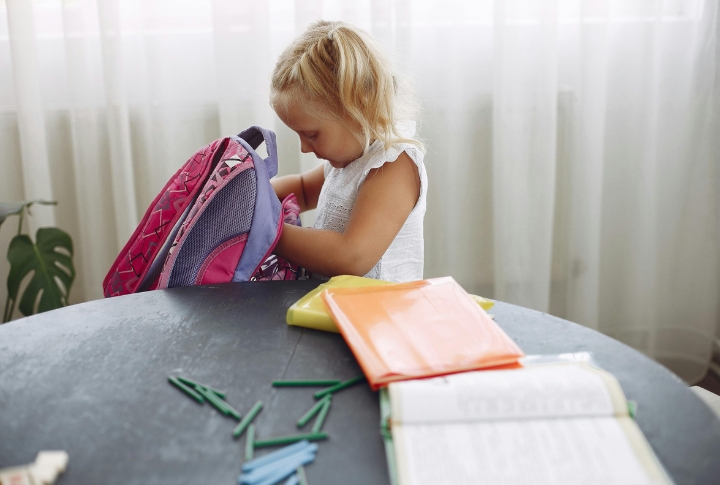
Nothing screams family red flag louder than kids showing up empty-handed every single day. No pencils, no homework, no supplies, just nothing. Teachers know that it means parents aren’t helping with backpacks, assignments, or even providing basic school materials their kids desperately need.
Excessive Aggression Toward Peers
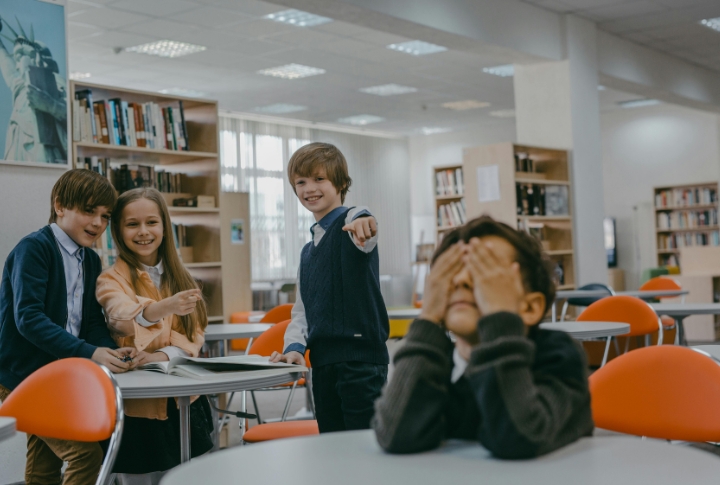
Trouble is spotted the moment a child throws punches over minor disagreements. This explosive behavior screams a parenting issue because aggression doesn’t develop in a vacuum. Kids who consistently hurt classmates are often mimicking the chaos and anger they experience at home.
Extreme Shyness Or Withdrawal
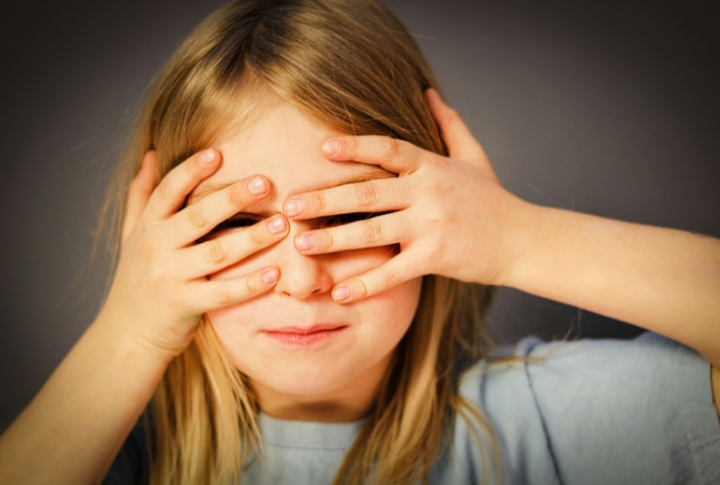
Why do some kids seem scared of their own presence in the classroom? Teachers detect this extreme withdrawal immediately. Healthy children naturally want to connect with others, even if they’re quiet. And the students who refuse all interaction and communication mean they’ve probably faced harsh criticism or neglect at home.
Unrealistic Academic Pressure
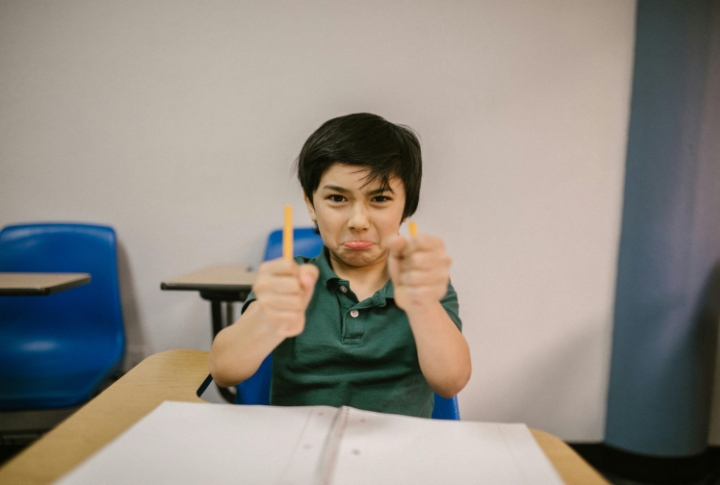
Some kids treat every homework assignment like it’s a make-or-break situation, and teachers know exactly why. Parents are putting crazy academic pressure on children who should be worried about recess, not maintaining perfect grades. When six-year-olds have detailed study schedules and panic attacks over minor errors, something’s seriously wrong at home.
Overdependence On Technology

Teachers can tell when parents are basically letting screens raise their kids. You’ll see second-graders who absolutely lose it if they can’t check their phone every few minutes or need an iPad just to sit still. This isn’t normal, but a clear sign that parents have handed over all entertainment and comfort responsibilities to technology.