

 Lisa O

Living an active lifestyle and including regular exercise are key to staying healthy. Your immune system is your body’s personal defense and the only one protecting you from harmful invaders that could make you sick. How you go about your daily routine is super important in keeping your immune system strong. Check out these 15 everyday habits that might be weakening your immune system.
Not Getting Enough Sleep

When you sleep, your body produces special proteins called cytokines that help fight infections and diseases. If you don’t sleep enough, these proteins’ production drops significantly. Poor sleep weakens your immune system and reduces the number of white blood cells that fight germs. And get this—not getting enough sleep can lower the cytokines your body needs when you’re sick.
Sitting Too Much

Sitting for long periods slows down your blood circulation, and your immune cells don’t move around as quickly, which makes it very hard for your body to detect infections. A study from the American Cancer Society revealed that women who sit for more than six hours a day have a higher risk of dying from infections than those who move more frequently. Even standing up for a few minutes each hour can help your immune system stay sharp.
Overindulging in Sugar
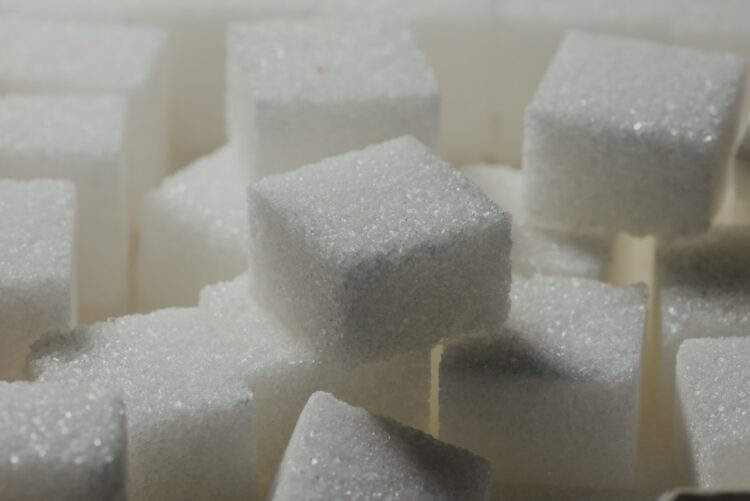
Eating too much sugar doesn’t just lead to weight gain—it also temporarily paralyzes white blood cells and makes them less effective at fighting infections for a few hours. This means that your body might not be able to fend off bacteria or viruses properly if you’re munching on sweets all day. Just 100 grams of sugar (about what’s in a typical soda and candy bar combo) can significantly suppress your immune system.
Stressing Out

Stress not only messes with your mood but can age your immune system. Chronic stress has been shown to shrink the thymus, an organ responsible for producing infection-fighting T-cells. This can leave you with fewer immune cells to combat illness. Caregivers for terminally ill loved ones, for instance, often have weakened immune responses, proving just how powerful stress can be.
Drinking Too Much Alcohol

Excessive drinking can severely impair your immune system’s ability to fight off infections, especially in your lungs. Ever notice how you tend to get sick after a night of heavy drinking? That’s because alcohol depletes important immune cells called macrophages, which help protect your lungs from invaders. If you’re regularly drinking way more than the recommended limits, you might be setting yourself up for more than just a hangover.
Skipping Vegetables

Your body thrives on the nutrients in vegetables, particularly antioxidants like Vitamin C, which helps the body produce white blood cells. Interestingly, bell peppers actually contain more Vitamin C than oranges, which makes them a top pick for immune support. Adding more veggies to your diet doesn’t just protect you from sickness—it helps your immune cells communicate better to fight infections.
Smoking or Being Around Smoke

Smoking destroys your respiratory system’s defenses and makes it easier for dangerous pathogens to invade. Even secondhand smoke exposure can damage the immune system of non-smokers, especially children. Did you know that just a single cigarette can reduce your body’s ability to fight infections for several hours? Quitting or avoiding smoke can make a massive difference in how well your body fights off illness.
Not Washing Hands Properly
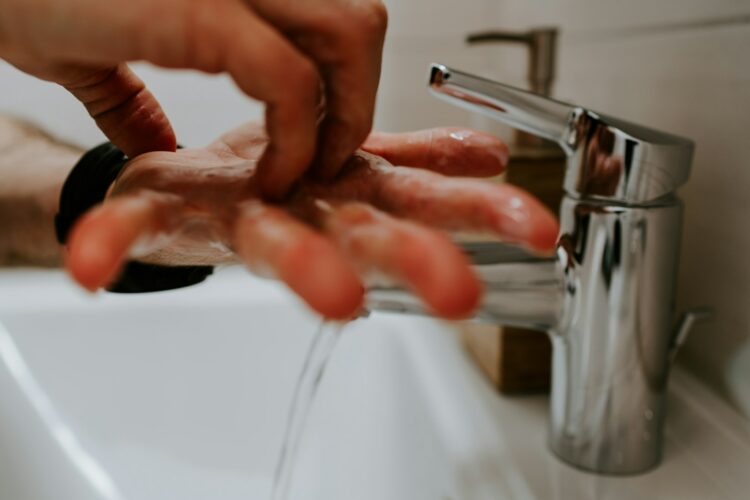
It’s easy to skip a proper handwashing session when you’re in a rush, but doing so invites bacteria and viruses into your body. The CDC reveals that washing your hands for at least 20 seconds can reduce respiratory illnesses by 16-21%. It’s interesting to note that most people miss crucial spots like the back of the hands and between the fingers. It makes them more prone to infections despite washing.
Overusing Antibiotics
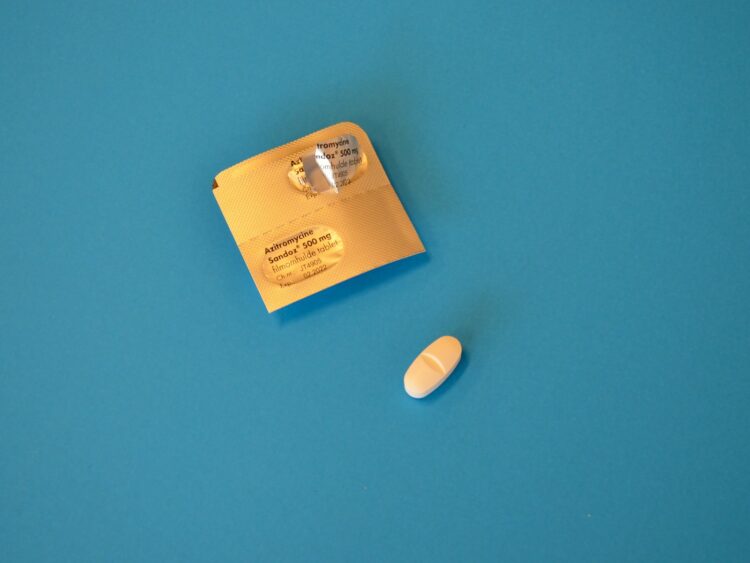
Antibiotics are pretty amazing, but overusing them can clean out the good bacteria in your gut that help keep your immune system in check. Your gut houses about 70% of your immune system, and when you kill off the good bacteria with unnecessary antibiotics—it leaves you open to infections. So don’t take antibiotics unless they’re really needed.
Neglecting Oral Hygiene
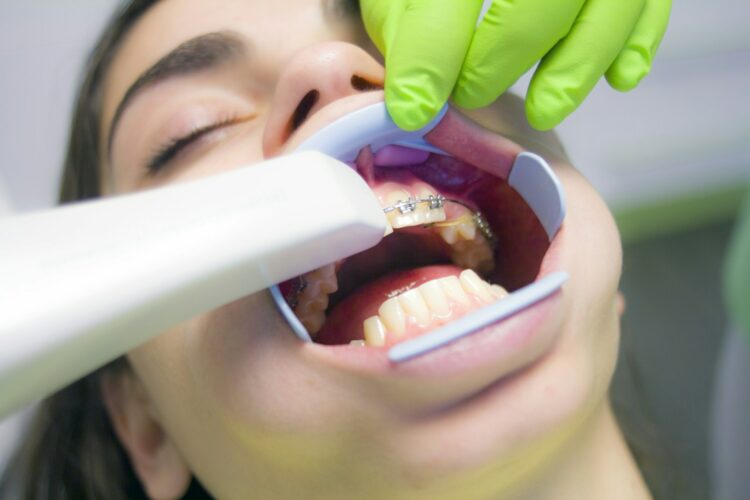
A dirty mouth can lead to more than bad breath. Poor oral hygiene causes gum disease linked to heart disease, diabetes, and weakened immunity. The bacteria from gum infections can enter your bloodstream and cause systemic inflammation that weakens your immune system. Brushing and flossing daily could help your body fight off more than just cavities.
Staying Indoors Too Much

Without regular sunlight exposure, your body can’t produce enough Vitamin D for immune health. Studies reveal that people with Vitamin D deficiencies are more likely to catch colds and flu. Interestingly, during the 1918 flu pandemic, patients treated in the sun recovered faster than those kept inside, thanks to the immune-boosting effects of sunlight.
Drinking Sugary Beverages

Sugary drinks are way worse than you think. Consuming just one can of soda can suppress your immune system for several hours. The constant sugar spikes caused by frequent consumption can lead to chronic inflammation—which weakens your body’s ability to defend against illness over time. Switching to water or herbal teas can help reverse this effect and keep your immune system on its toes.
Ignoring Hydration
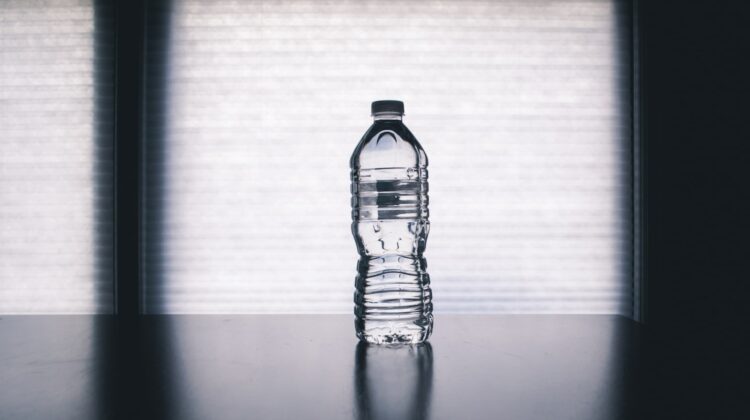
Dehydration impacts more than just your energy levels. Water carries immune cells throughout your body so they can do their job properly. When you’re dehydrated, your body struggles to produce enough lymph, which is essential for moving white blood cells around. Even mild dehydration can slow down the immune response, so if you’re feeling sluggish, it might be a big sign that your body needs more water to keep those cells moving.
Not Getting Enough Protein

Protein is essential for all cells, including immune cells. Did you know that even small protein deficiencies can significantly reduce the production of antibodies, which are crucial for fighting off infections? Foods like eggs, nuts, and lean meats give your body the amino acids it needs to build these important immune cells. If you skip protein—your body might be left vulnerable when it needs support the most.
Frequent Use of Disinfectants
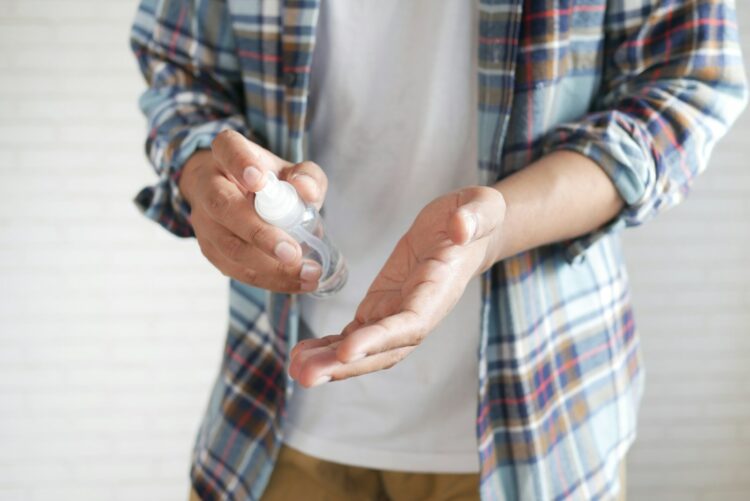
Using disinfectants all the time might seem smart, but going overboard can hurt the natural bacteria that help your immune system adjust. Studies show that being in places with too few microbes can weaken your immune response. So, while regular cleaning is important, it’s also crucial for your immune system to meet and adapt to everyday bacteria for long-term health.