

 Grayson West
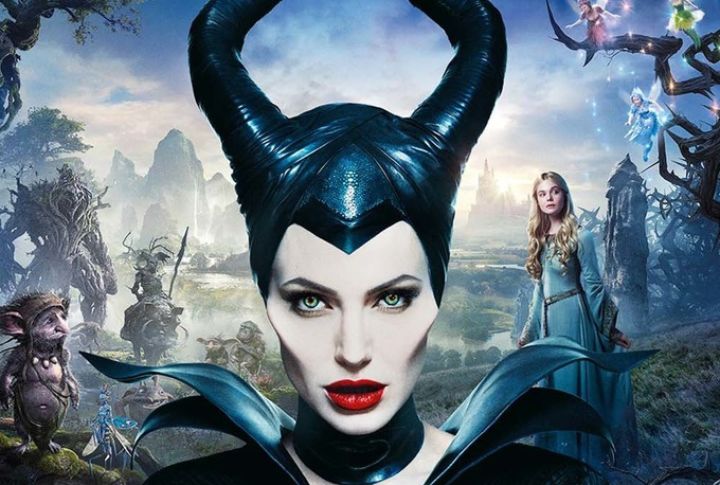
Not all villains are as evil as they seem. Some are labeled as such despite having motives that are more understandable—or even admirable—than they appear. Were these characters, often perceived as the bad guys, just misunderstood by the heroes or victims of circumstances? So, let’s take a look at 15 movie and TV villains.
Severus Snape (Harry Potter Series)
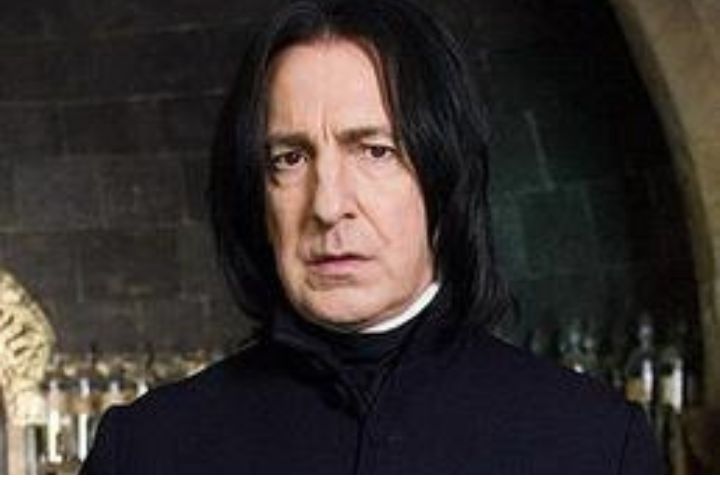
Severus Snape from the Harry Potter series may seem like a villain, but his story is more complex. Driven by his love for Lily Potter, Harry’s mother, Snape secretly worked to protect Harry and battle dark forces, which revealed a tragic hero who made immense sacrifices for a greater cause.
Tom (Tom and Jerry)
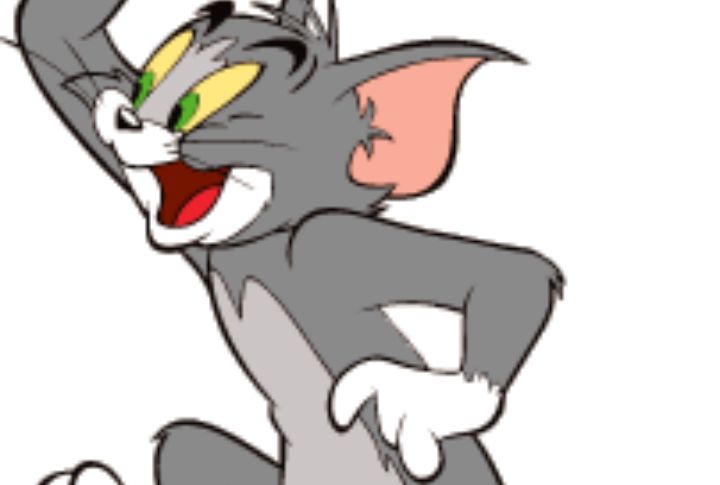
Ever feel like the universe is conspiring against you? Welcome to Tom’s world. In his endless pursuit of Jerry, Tom is often portrayed as the bad guy. But let’s be real—Tom’s life is a chaotic mess thanks to Jerry’s never-ending shenanigans. If anyone deserves a medal for patience, it’s Tom.
Maleficent (Maleficent)
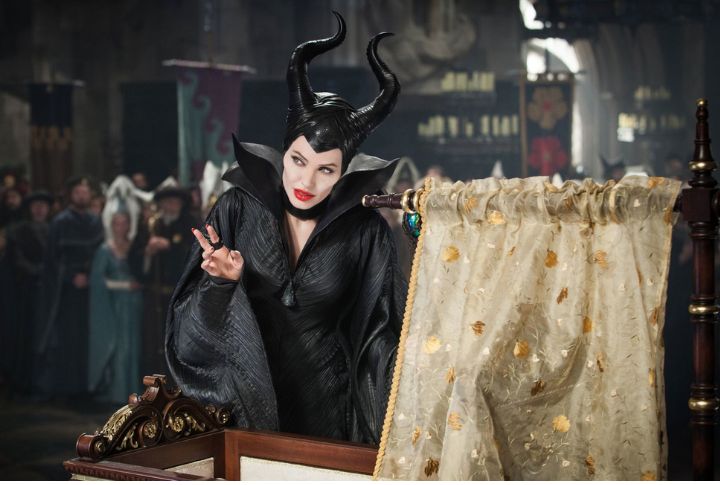
Initially presented as the archetypal evil witch in “Sleeping Beauty,” Maleficent’s backstory, as explored in the films, reveals a misunderstood fairy betrayed by those she trusted most. Her curse on Aurora was a reaction to the betrayal she experienced at the hands of King Stefan.
Jafar (Aladdin)
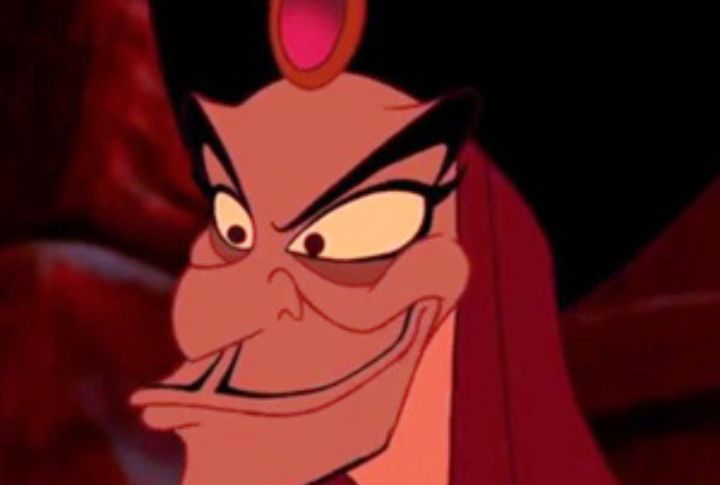
As the Royal Vizier, Jafar believes he is more capable of ruling Agrabah than the current sultan, whom he views as a naive youngster. Jafar’s ambition to bring order to the kingdom, albeit through questionable means, stems from his belief that he could better lead the people.
Darth Vader (Star Wars Series)
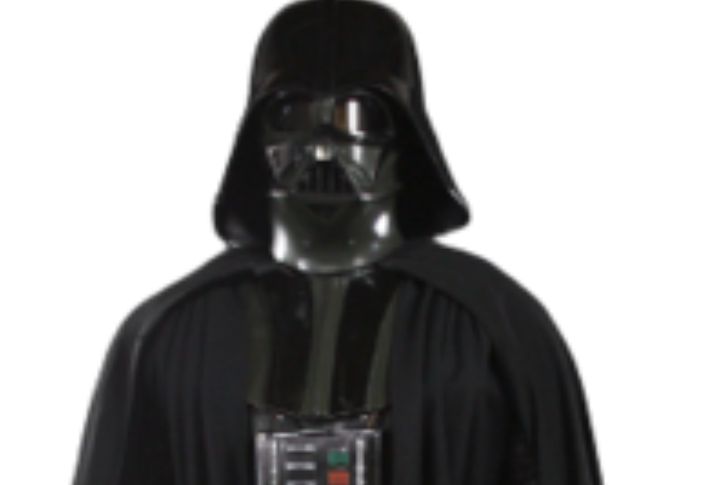
Darth Vader, the galaxy’s feared Sith Lord, started out as Anakin Skywalker, a Jedi with the best intentions. Despite his dark deeds, Vader’s actions are fueled by a tragic mix of love and misguided duty. Moreover, his villainy is less about inherent evil and more about a journey gone awry.
Killmonger (Black Panther)
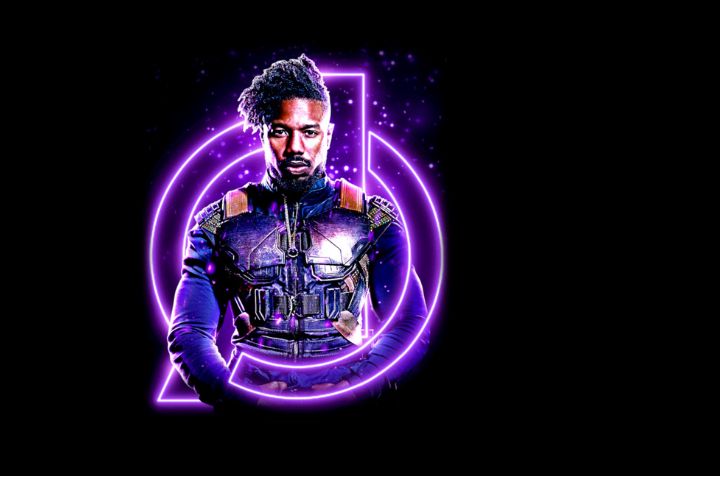
Erik Killmonger is driven by a deep sense of injustice and a desire to right the wrongs of the past. Abandoned and left to fend for himself after his father’s death, Killmonger’s anger is driven by his personal loss and the systemic oppression he saw around the world.
Magneto (X-Men Series)
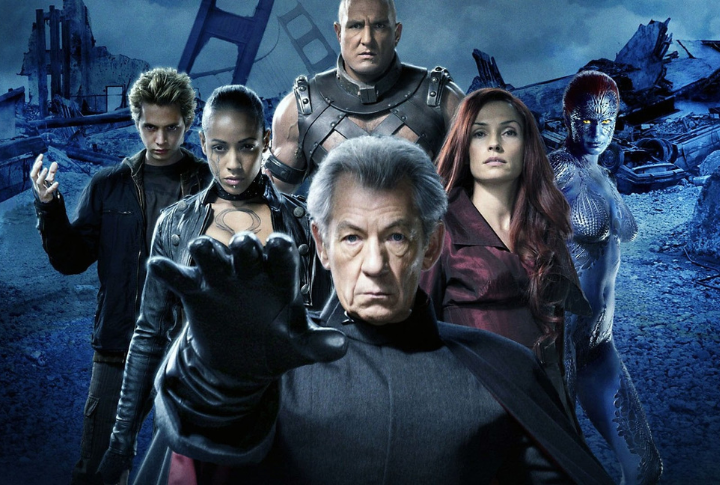
Metal-controlling mutant Magneto is often at odds with the X-Men and seen as a villain. However, his perspective is shaped by his traumatic past as a Holocaust survivor. Magneto’s actions stem from a desire to protect mutants from the same kind of persecution he endured as a child.
Ursula (The Little Mermaid)
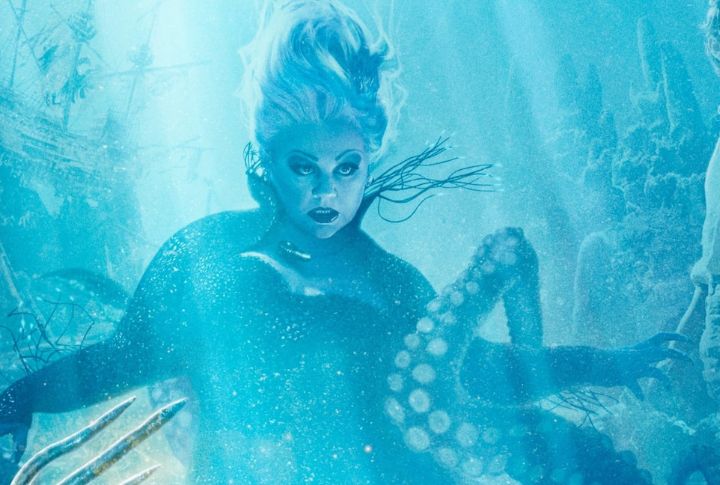
Ursula is the sea witch who, in the original story, provides the option to turn the little mermaid into a human. She offers Ariel a legitimate deal in exchange for her voice, with clear terms both sides must follow. Ursula doesn’t seek to actively harm Ariel; she simply enforces the contract.
Regina George (Mean Girls)
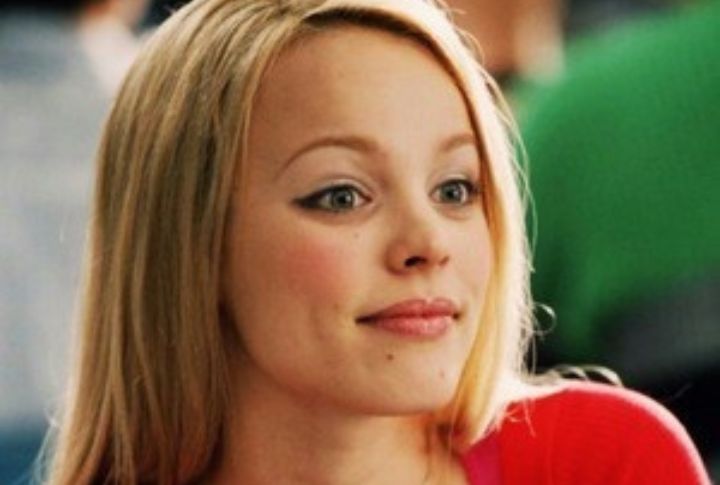
Regina George, the main antagonist of “Mean Girls,” is often labeled a villain due to her manipulative behavior as the former Queen Bee of the school. However, her actions are more a reflection of the toxic high school culture and pressure to maintain her social status than pure malice.
The Grinch (How the Grinch Stole Christmas!)
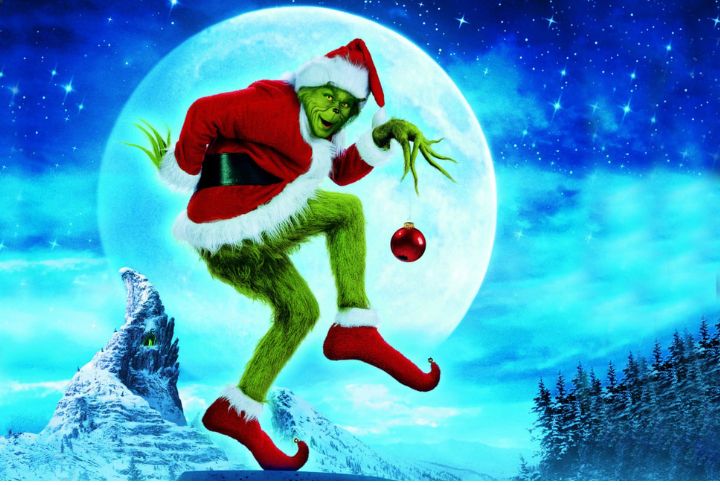
That green, grouchy Grinch isn’t just a Christmas curmudgeon—beneath the scowl is a softer side and a heart two sizes too small. The scheme to steal Christmas is really a response to feeling left out, but a change of heart shows even the grumpiest can find the true holiday spirit.
Loki (Marvel Cinematic Universe)
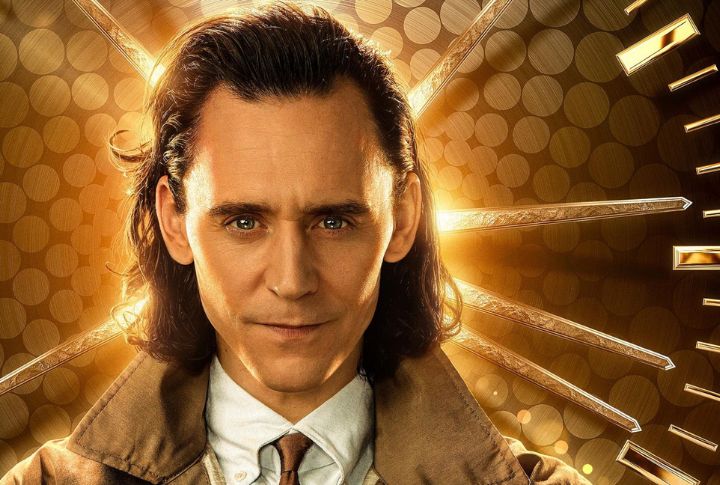
Born the biological son of a Frost Giant and raised as the adopted son of Odin, Loki’s mischievous acts stem from his deep-seated insecurities and desire for validation. While he has committed some truly villainous acts, Loki usually acts out of a desire for acceptance or to protect his loved ones.
Frankenstein’s Monster (Frankenstein)
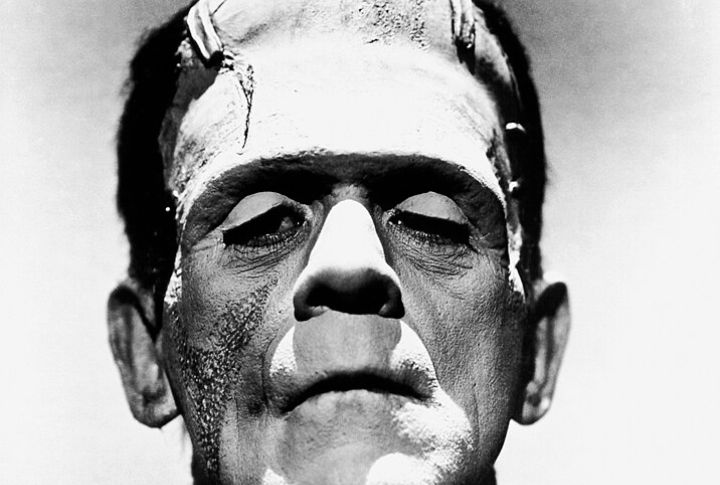
Rejected by his creator and society, Frankenstein’s violent tendencies arise from the pain of constant rejection and abuse. Ultimately, the monster’s story is a commentary on the consequences of playing God and the innate human need for connection, making him more of a victim of circumstance than a villain.
Sharpay Evans (High School Musical Series)
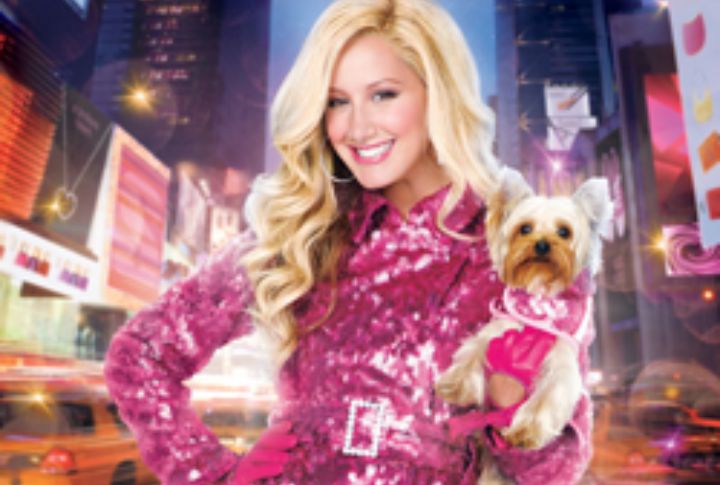
Sharpay Evans’ over-the-top flair masks a deep need for recognition and validation. Her dramatic schemes and flashy persona are all about standing out and proving her worth. Beneath the glam, Sharpay’s journey is driven by a longing to be seen as more than just a high school drama queen.
Dr. Heinz Doofenshmirtz (Phineas and Ferb)
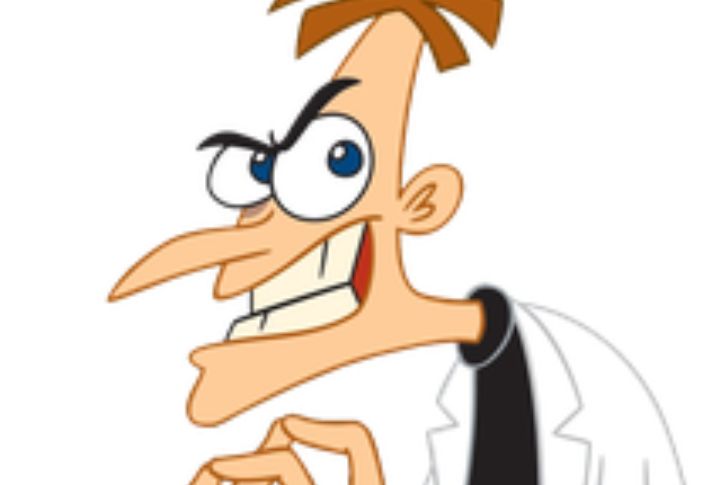
Dr. Heinz is the bumbling “villain,” constantly concocting ridiculous schemes to take over the Tri-State Area. His inventions are rarely harmful, and his rivalry with Perry the Platypus is more of a friendly game than a genuine threat. In reality, Doofenshmirtz is more of a lovable goofball than a villain.
Captain Hook (Peter Pan)
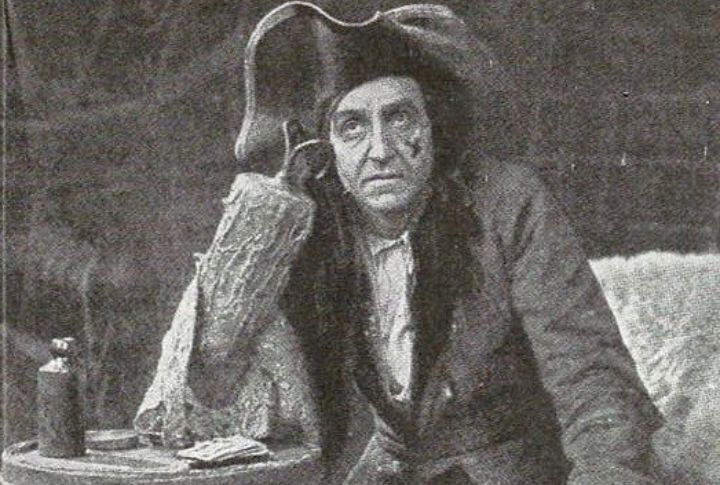
He is often portrayed as a villain obsessed with revenge. However, his vendetta against Peter stems from a deeply personal grudge—Peter cut off Hook’s hand and fed it to a crocodile, leaving him scarred and hunted by them. Rather than seeking to terrorize for the sake of evil, Hook’s actions are driven by a desire for retribution.