

 Emily Flores

Language evolves constantly; it reflects the changing values and sensitivities of society. Many phrases and sayings that were once commonplace are now considered outdated or offensive. Understanding the history and impact of these expressions is essential for ensuring respectful and inclusive communication. In this listicle, we’ll discuss 15 old sayings that modern social standards view as inappropriate and explain why these phrases are best left in the past.
“Boys will be boys.”

People often use this phrase to excuse bad behavior in young boys. Dismissing their actions perpetuates the idea that boys naturally misbehave and shouldn’t be held accountable. Using this phrase reinforces harmful gender stereotypes and can hinder the development of respectful behavior.
“Indian giver”

This phrase wrongly stereotypes Native Americans as dishonest based on misunderstandings of their cultural practices. Historically, they exchanged gifts, but the term means that they take back gifts they give out, which is inaccurate and paints them in a bad light. Avoiding this term shows respect for Native American cultures and traditions.
“Grandfathered in”
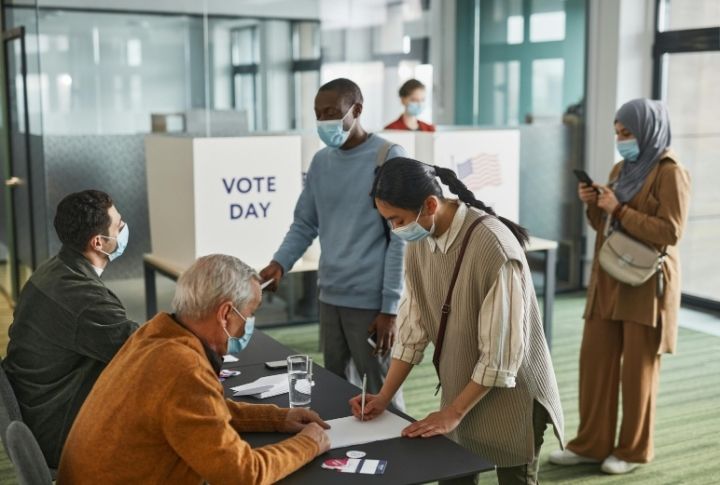
The term brings to memory the painful history of racial discrimination. The origin is from racist voting laws in the post-Reconstruction South. These laws allowed white voters to bypass literacy tests while black voters were excluded. Today, it implies that certain people are free to operate under old rules after new ones have been implemented, and establishes unfair privilege.
“Peanut gallery”
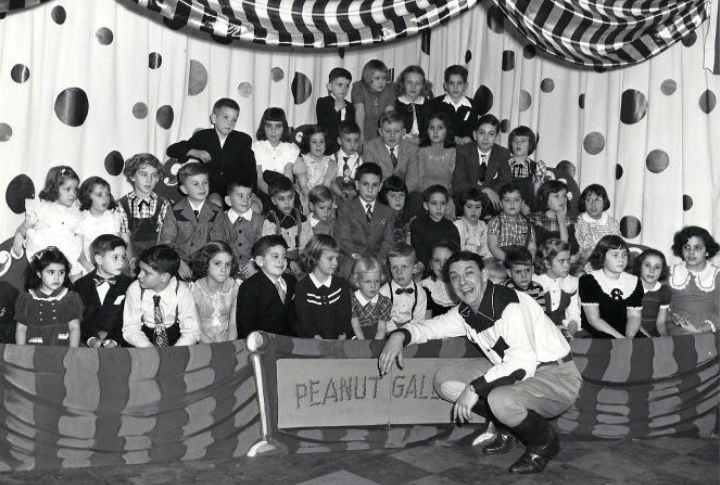
Historically, “peanut gallery” referred to the cheapest, often segregated, seats in a theater. It implied that those sitting there were less deserving of respect. Modern usage of this term can unintentionally uphold these negative connotations.
“Gypped”

Derived from “Gypsy,” this word is offensive to the Romani people. It implies that they are inherently deceitful, perpetuating harmful stereotypes. Choosing a more accurate language for being cheated avoids reinforcing this prejudice.
“Rule of thumb”

Allegedly based on an old law permitting men to hit their wives with sticks no thicker than their thumbs, this phrase carries a troubling connotation. It trivializes domestic fights and women’s suffering. Opting for alternative expressions promotes awareness and respect.
“Sold down the river”

The expression refers to the betrayal of enslaved people sold to harsher conditions in the Deep South. Using it belittles their suffering and the brutality of slavery. Recognizing the weight of this history is essential to promoting sensitive language.
“Uppity”

It was once used to describe black people who were perceived as not knowing their ‘place.’ This term has solid racial connotations. It was often employed to demean and control. Today, using this word is widely recognized as offensive and inappropriate.
“Crippled”

This outdated term for people with disabilities is now considered disrespectful. It reduces individuals to their physical limitations, ignoring their humanity and abilities. Using more sensitive language promotes inclusivity and respect.
“Hysteria”

Historically, this term was used to describe women as irrational or overly emotional. It has sexist roots linked to outdated medical beliefs about female psychology. Avoiding this term helps combat gender stereotypes and promotes respect for women’s emotions.
“Paddy wagon”

Initially, this referred to law enforcement vans and was based on stereotypes of Irish immigrants as lawbreakers. It isn’t very kind to the Irish community. Choosing more accurate terms avoids perpetuating these negative stereotypes.
“Black sheep”

It’s a term that often describes a family member who is different or troublesome. It can unintentionally reinforce negative connotations associated with the color black. Using less loaded terms helps avoid perpetuating these biases.
“Off the reservation.”

In the past, this referred to Native Americans who left designated areas. It underplays their history and the struggles they faced. Choosing different expressions respects their experiences and promotes sensitivity.
“Chinese whispers”

It’s an expression that describes a message distorted through repetition, perpetuating negative stereotypes about Chinese communication. It suggests that Chinese people could be more reliable and better communicators. Replacing it with neutral terms avoids these harmful implications.
“Master bedroom”
Associated with slavery, the “master bedroom” can evoke images of enslavers and enslaved people. Some real estate professionals now prefer terms like “primary bedroom.” This change reflects a growing awareness of historical sensitivities.
Comments
Loading…