

 Camille Moore
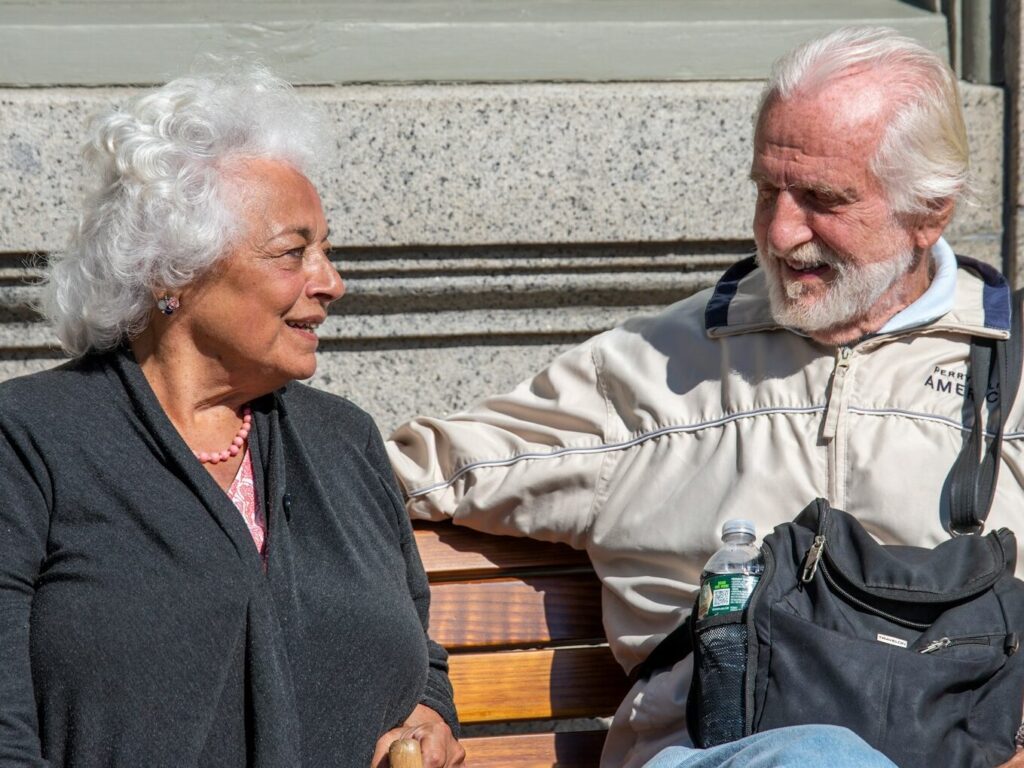
Dating in your 50s and 60s can feel like stepping into an entirely different world compared to your younger years. The rules have changed, people have more baggage now, and let’s be honest—energy levels aren’t what they used to be. But that doesn’t mean finding love is impossible. It just comes with its own set of challenges. Here are 15 harsh realities you should be prepared for.
The Dating Pool is Smaller

As you grow older, the number of available singles goes down, and those who are available may have a very different outlook on relationships. Many people in their 50s and 60s come with history, making them selective and careful about who they let into their lives. This can be frustrating, but it also means that when you do meet someone, there’s usually more intentionality and depth to the connection.
Online Dating Becomes the Norm
In your 20s, meeting someone at a bar or through mutual friends was pretty much the easiest thing ever. Now, though, online dating sites and apps have completely taken over. It can feel too much, trying to figure out which app to use or sifting through all the different profiles. But these platforms let you be super specific about what you’re after. You can literally put filters based on your preferences.
Luggage, Not Just Baggage

At this stage of life, everyone’s got some form of luggage—whether it’s ex-spouses, kids, financial stuff, or health issues. Instead of seeing these things as roadblocks, it’s important to realize that everyone’s just trying to build a fresh chapter. And honestly, these experiences can be shared with a partner who gets it and respects where you’re coming from, which can actually create a pretty solid foundation of empathy.
Chemistry Takes a Backseat to Compatibility

When you’re younger, you might have been drawn in by sheer physical attraction or intense chemistry. But in your 50s and 60s, lasting relationships are built on compatibility—shared values, mutual respect, and similar life goals. Physical attraction still matters, but it’s often more about how you make each other feel in everyday life. It’s about building a connection that feels comfortable and sustainable.
People Are Set in Their Ways
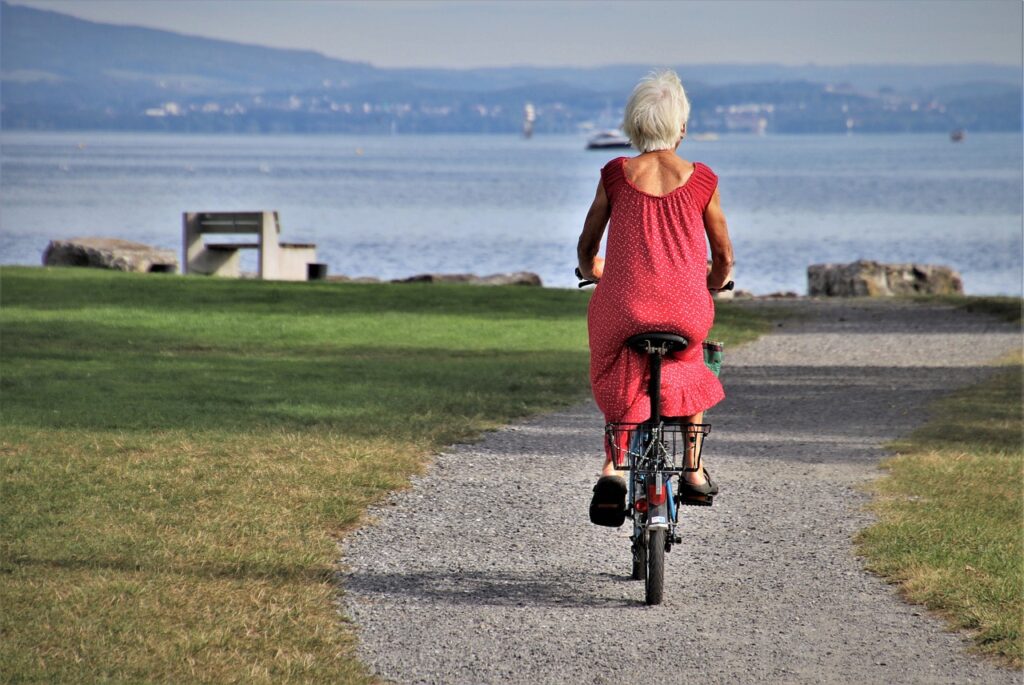
By this age, most people have their routines and little quirks—like one person being an early bird who’s all about morning walks, while the other prefers a slow start with coffee and the newspaper. These habits might seem cute at first, but they can start to cause friction if you’re not willing to compromise.
Ghosting Still Happens

While ghosting is often associated with younger people, it’s alive and well in the 50s and 60s dating world. People may suddenly stop communicating after a few great dates for various reasons—fear of commitment, they’ve reconnected with someone from their past, or they just don’t know how to handle difficult conversations.
Your Health Matters—More Than You Think

Health issues may not have been a major concern in your younger dating years, but now they are often front and center. Whether you or your potential partner have chronic conditions or just need to be mindful about staying active and eating well, health becomes a key topic. Conversations about physical limitations, taking medications, or even planning for long-term care may arise early on.
Adult Children May Have Opinions

If you’ve got grown kids (especially teenagers), dating can sometimes feel like you’re in a fishbowl. They might voice concerns, get protective over you, or even have strong opinions about who you’re seeing (and who you shouldn’t see).While it’s natural to want them to be involved, setting clear boundaries is super important. Plus, having a partner who’s understanding and respectful of your family dynamics can really make things easier.
Intimacy Is Different
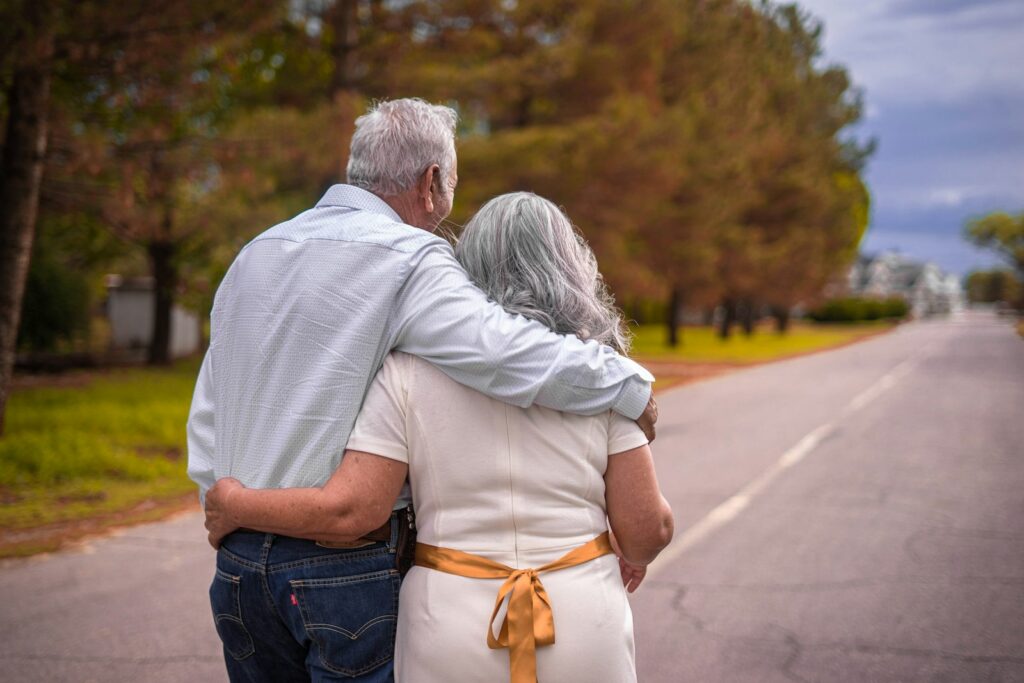
The kind of passion that once came naturally might not always be there anymore. Changes in hormone levels, stress, and physical conditions can affect intimacy. But here’s something interesting: many people find that emotional intimacy becomes more important (as compared to physical intimacy). The quality of the connection—cuddling, holding hands, and deep conversations—often outweighs the need for fiery physical passion.
Trust Issues Are Common

The wounds from past relationships often linger, making trust more complicated. If you’ve been hurt in the past, it’s only natural to guard your heart more closely. The same goes for your partner. But this isn’t always a bad thing. People in their 50s and 60s have usually learned valuable lessons about honesty and communication. Overcoming these trust issues can lead to a stronger relationship built on mutual respect.
Finances Are a Big Deal
As we get older, finances definitely take on a whole new level of importance. Talks about retirement, pensions, healthcare, and even estate planning start to pop up and can’t be ignored anymore. You might find yourself rethinking your financial goals or even figuring out how to merge money matters with a partner. Sure, money talk isn’t the most romantic thing, but it’s crucial to make sure you and your partner are on the same page.
You Might Feel Like You’re “Too Old”

There’s a nagging thought that can creep in: “Who wants to date someone my age?” You might feel that your best years are behind you. But let’s set the record straight: many people in their 50s and 60s are actively dating and looking for relationships that bring meaning and fulfillment. You bring experience, maturity, and emotional intelligence to the table—qualities that are hard to come by in younger daters.
Long-Distance Relationships Are More Common

Since the dating pool gets smaller, it’s not unusual to connect with someone who lives miles away. Long-distance relationships come with their own set of challenges—like limited time together or travel costs. But here’s the thing: sometimes, the distance can actually make the connection stronger. It often leads to a more genuine bond because both people tend to be more intentional and put extra effort into communication.
There’s Less Time for Games

By this stage, most people are done with the dating games. The uncertainty, mixed signals, and cat-and-mouse stuff just don’t cut it anymore. People in their 50s and 60s typically know exactly what they want and are way more upfront about their intentions. Whether it’s a casual fling or something serious, you’re likely to encounter a much clearer approach to relationships.